By Tom Covello
The best rooms I walk into on the Eastside have one thing in common, and it isn't budget. They've been furnished in a way that respects the light and the architecture rather than fighting either. Northwest houses ask for a particular approach, and once you see it, you can't unsee it. Here's how I'd think about a new place.
Key Takeaways
- Our light is soft and low for much of the year, which shapes every color choice.
- Let the architecture lead, then decorate within it.
- A mix of timeless pieces and personal ones ages best.
- Living in a space before buying for it saves money and second thoughts.
How Do You Work With Pacific Northwest Light?
By warming it up and layering it. Our daylight runs soft and grey through a good part of the year, which flatters some palettes beautifully and drains others. The houses that feel wonderful in January were decorated with January in mind.
Choosing for Our Light
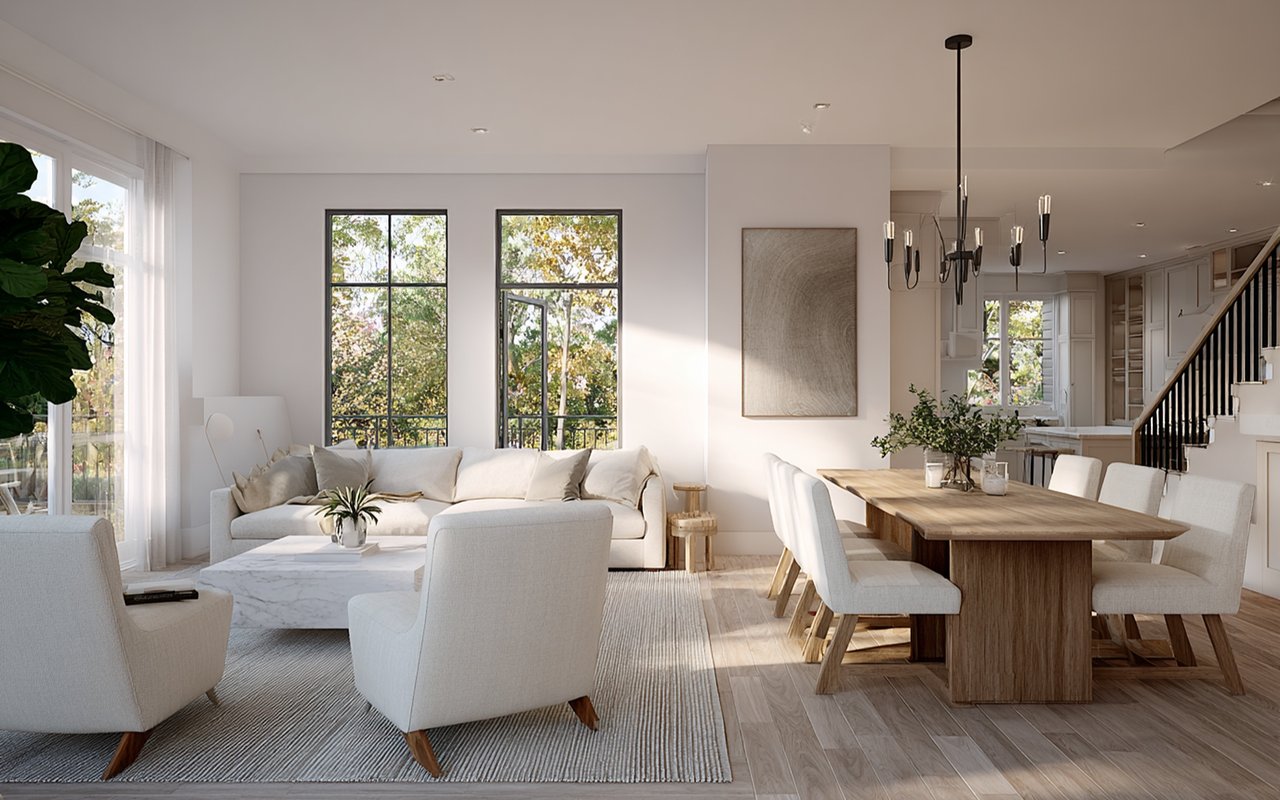
- Warm whites and soft neutrals hold up far better here than cool greys, which can read flat under overcast skies.
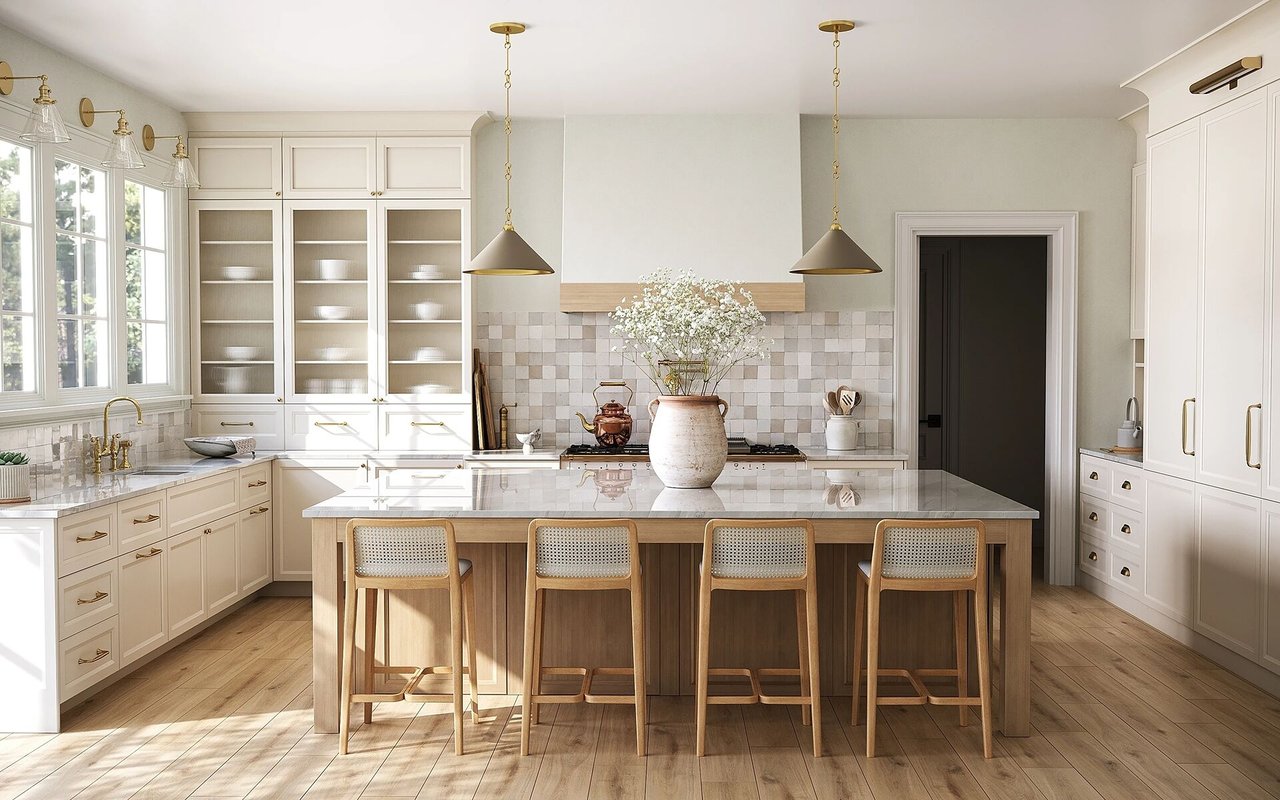
- Natural wood tones bring warmth that paint alone doesn't, and they suit the regional architecture.
- Layer three sources of light in every room: overhead, a table or floor lamp at seated height, and something low and warm for evening.
- Choose bulbs in the warmer range and keep them consistent within a room, which makes a bigger difference than people expect.
- Leave the good windows unobstructed, since in Kirkland and along the water, the view is the best thing on the wall.
How Much Should the Architecture Lead?
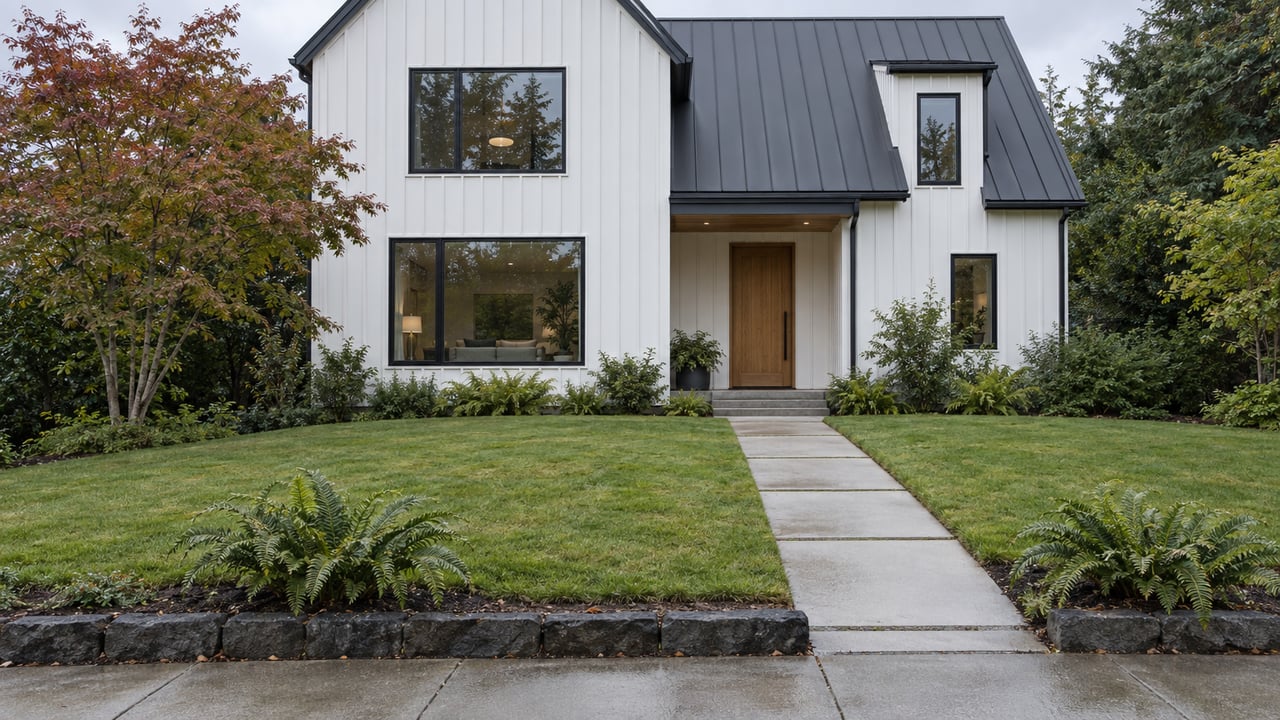
Quite a lot, and it makes the decisions easier. Eastside housing stock runs from midcentury to Northwest contemporary to traditional, and each carries its own logic. Working with that logic is faster and more satisfying than working against it.
Reading the House First
- A midcentury home rewards low-profile furniture and restraint, since the architecture is already doing the work.
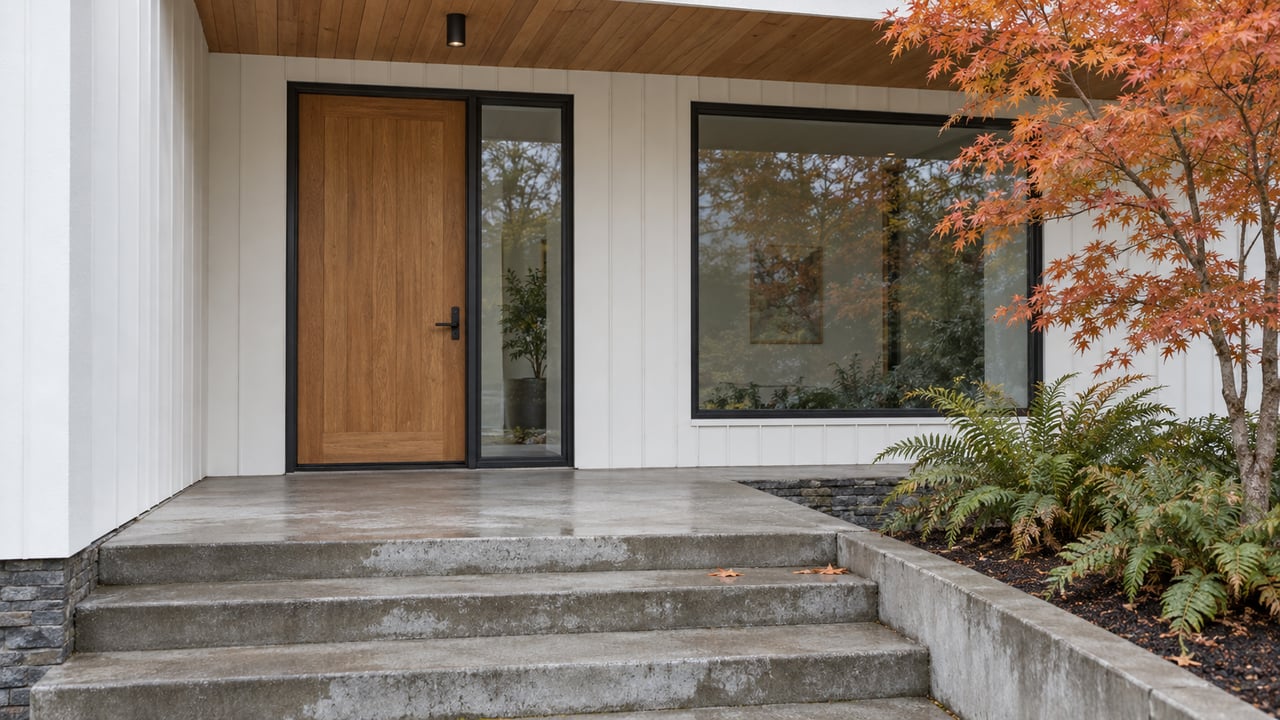
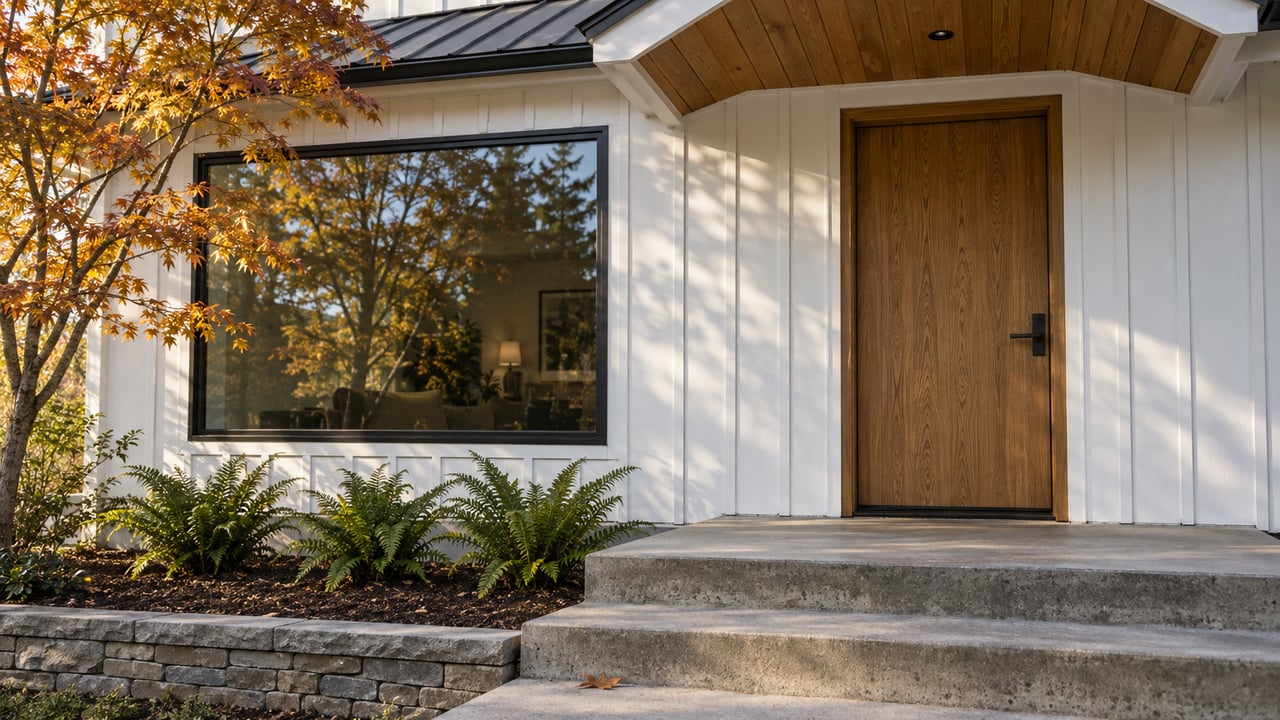
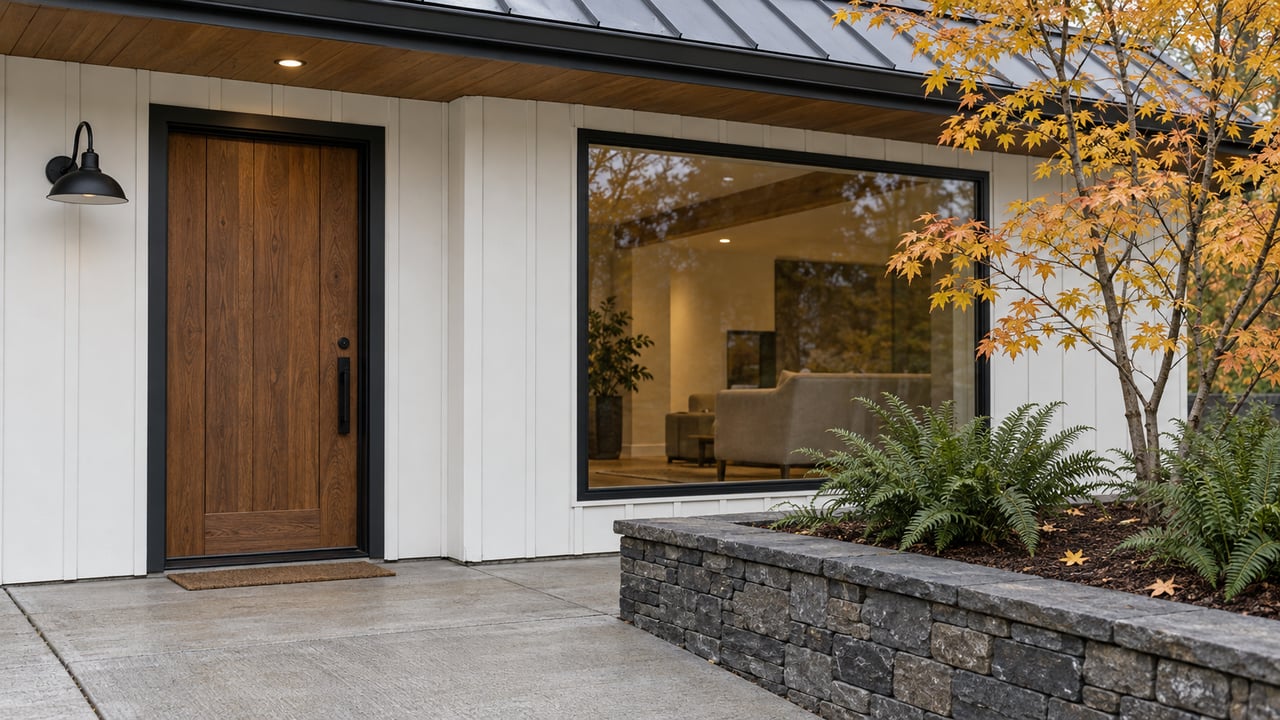
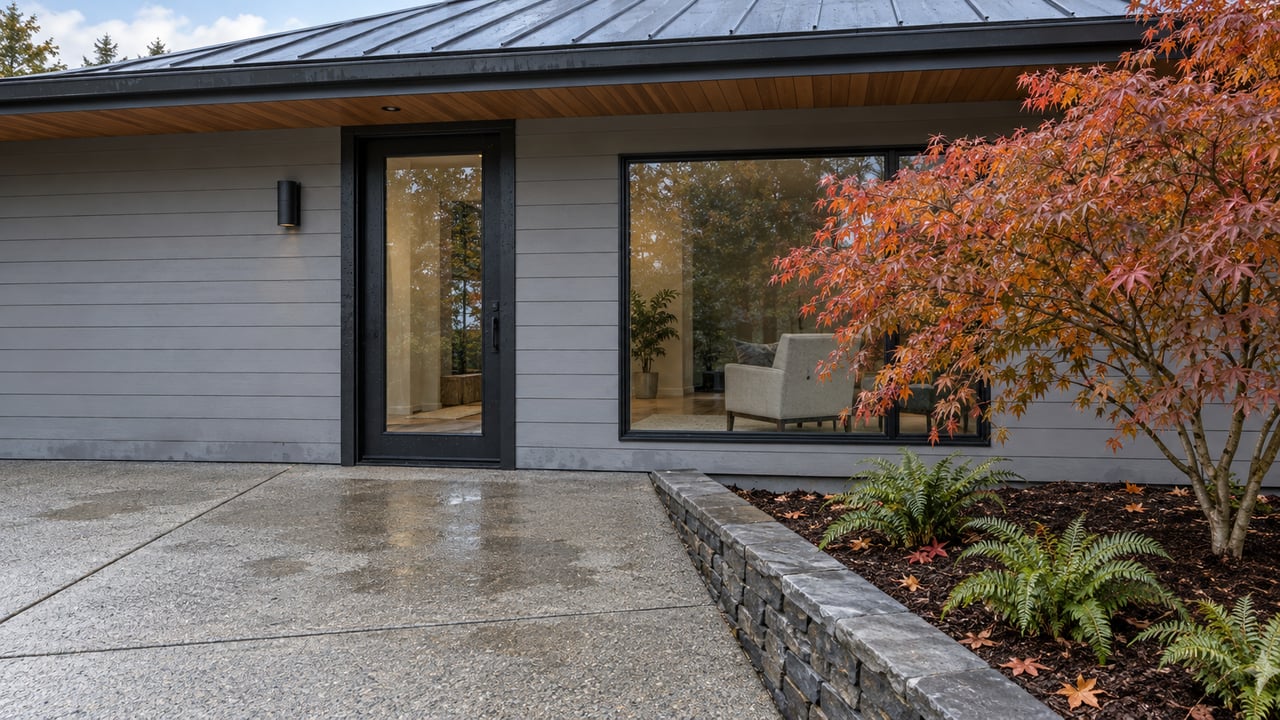
- Northwest contemporary houses with big glass and exposed beams suit natural materials and a quieter palette.
- Traditional homes carry pattern, texture, and layered color comfortably.
- Whatever the style, scale matters most: one properly sized sofa beats two that almost fit.
- Open plans need zones rather than walls, and a well-placed rug defines a room more effectively than furniture pushed to the edges.
How Do You Balance Timeless and Personal?
By investing in the pieces you'll keep and having fun with the ones you won't. A room that's entirely trend reads dated in three years, and a room with nothing of you in it never quite feels like home. The mix is what you're after.
Where Each Belongs
- Put the budget into the sofa, the dining table, and the bed, which are the pieces you'll still want in a decade.
- Use pillows, art, lamps, and smaller accents to carry personality and to change as your taste does.
- Let one meaningful object anchor each room, whether that's art, a piece with history, or something you brought back from somewhere.
- Repeat two or three materials through the house so the rooms relate to each other.
- Leave some space empty. Restraint reads as confidence, and it gives the good pieces room to be seen.
Where Should You Spend and Where Should You Wait?
Live in the house first. Almost every decorating regret I hear about came from buying a full room before anyone understood how that room gets used. A few weeks of living there answers questions no floor plan can.
Sequencing the Purchases
- Start with the pieces you need daily, then let the rest arrive over the following months.
- Paint after you've watched the light move through the rooms for a few weeks, not before.
- Measure everything twice, including doorways and stair turns, which is where large pieces run into trouble.
- Mix sources freely, since a vintage find beside something new almost always reads better than a matched set.
- If a room has you stuck, I'm happy to share who my clients in Bellevue and Sammamish have enjoyed working with.
Want to see how well-designed homes show on the market? Start with Bellevue homes for sale, including these listings on the market now:
- 26006 NE 29th Pl, Redmond (98053) | 5 bd, 6 ba, 4,982 sq ft
- 9111 183rd Ct NE, Redmond (98052) | 2 bd, 1 ba, 870 sq ft
- 10836 NE 12th Pl, Bellevue (98004) | 4 bd, 1.75 ba, 1,564 sq ft
See every current listing in Tom Covello's portfolio of properties for sale.
Frequently Asked Questions
How long should we wait before decorating fully?
A month or two of living there is ideal. You'll learn where the light lands, where everyone actually sits, and which rooms need more than you thought.
What's the most common thing people get wrong?
Scale. Furniture that's too small for a room is far more common than furniture that's too large, and it makes a good space feel unfinished.
Does decorating affect resale?
Furnishing choices leave with you, but paint colors, lighting, and window treatments stay. Choosing those thoughtfully now means less to redo when you eventually sell.
Contact Tom Covello Today
A house becomes a home through a series of small, unhurried decisions, and the ones that hold up tend to follow the light and the architecture already there. It's one of my favorite parts of the work to watch happen.
If you're settling into a new place on the Eastside, or looking for the one you'll want to furnish, reach out to me,
Tom Covello, and let's talk. I'd love to help you find a home worth decorating carefully.