By Tom Covello
Living in Bellevue, I’ve seen how even the most thoughtfully designed homes can face challenges when it comes to space—especially in condos, townhomes, or modern builds with compact layouts. But small doesn’t have to feel cramped. With the right strategy, interior design for small spaces can create a home that feels open, functional, and tailored to your lifestyle.
Key Takeaways
-
Strategic design can make any space feel larger and more functional.
-
Furniture scale, lighting, and layout are essential for flow.
-
Smart storage solutions reduce clutter and create calm.
-
Bellevue’s clean, modern style pairs perfectly with space-maximizing design.
Choose Furniture That Works for the Room
Scale and function are everything in small spaces
Oversized furniture can quickly overwhelm a room, while the right proportions help a space breathe. I always recommend choosing pieces that fit both the square footage and how you actually live.
-
Slim-profile sofas and chairs: Avoid bulky arms and deep cushions that eat up floor space.
-
Multipurpose pieces: Think storage ottomans, expandable tables, and sleeper sofas.
-
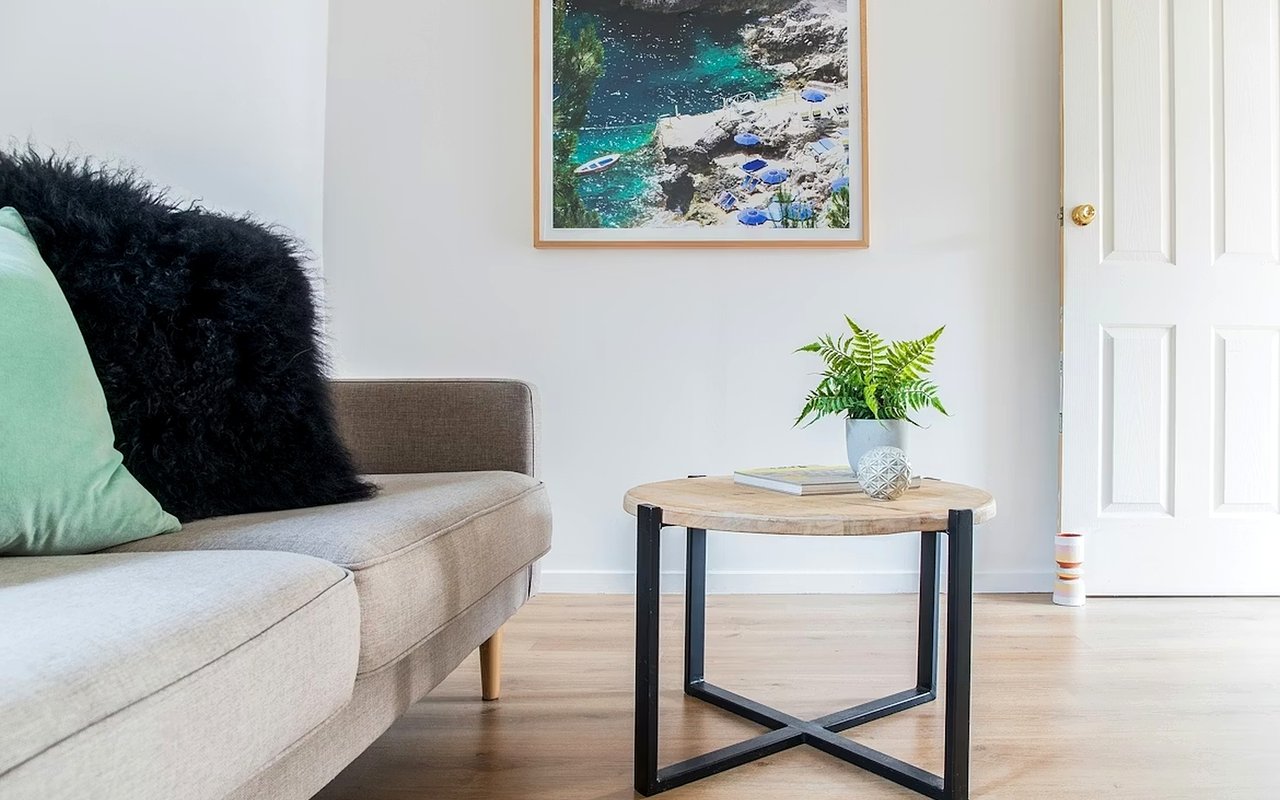
Leggy furniture: Raised bases allow more light and visual air to move through.
-
Fold-away or modular items: Great for flexible living or entertaining.
Use Lighting to Open Up the Space
A well-lit room always feels bigger
Lighting design plays a huge role in how spacious a room feels. Natural light is ideal, but thoughtful lighting layers can make even a shaded room feel airy and inviting.
-
Maximize windows: Keep treatments light, sheer, or minimal.
-
Use mirrors: Reflective surfaces bounce light and visually expand walls.
-
Add layers: Combine overhead lighting with floor lamps, sconces, and task lighting.
-
Warm tones: Soft white bulbs (not cool blue) create a cozy, welcoming atmosphere.
Focus on Layout and Flow
How you arrange furniture matters more than how much you have
In smaller homes, even a few misplaced items can disrupt function. I help my clients think about how people move through each room and how design choices can support that.
-
Avoid wall-to-wall arrangements: Leave a few inches around key pieces to create openness.
-
Define zones: Use rugs or lighting to visually separate areas in an open plan.
-
Clear pathways: Ensure walkways are open and logical.
-
Anchor the space: A single bold element—like art or a statement chair—can focus the room and reduce visual clutter.
Add Storage Without Adding Bulk
Clutter is the enemy of small-space comfort
Bellevue homes often prioritize sleek, modern finishes—so I always recommend storage options that blend into that aesthetic. The right solutions can help your home feel serene and effortlessly organized.
-
Built-ins: Custom shelving or wall units make use of vertical space.
-
Under-bed or behind-the-door storage: Great for linens, seasonal items, or extras.
-
Hooks and floating shelves: Keep surfaces clear without sacrificing function.
-
Hidden compartments: Use benches, ottomans, or even stairs to tuck things away.
FAQs
Can interior design really make a small home feel bigger?
Absolutely. Smart furniture choices, lighting, and layout can dramatically improve the sense of space—even without knocking down walls.
What color schemes work best in small spaces?
Lighter tones, neutrals, and monochromatic palettes help rooms feel more open. Pops of color are great for accents.
Is custom furniture worth it for small spaces?
In many cases, yes—especially for built-ins or key pieces like banquettes or beds. A tailored fit makes better use of every inch.
Contact Me Today
Designing for smaller spaces doesn’t mean sacrificing style or comfort—it just means being intentional. If you’re buying, selling, or looking to upgrade your Bellevue home, I can help you create a layout that truly works for you.
Visit
Tom Covello to connect. Whether you’re planning a remodel or searching for a new space to call home, I’ll guide you toward solutions that make the most of every square foot.
Recommended reading: Top Home Remodeling Trends in Bellevue