By Tom Covello
Bellevue’s appeal is rooted in tangible, everyday features rather than abstract lifestyle promises. The city is defined by specific places, established districts, and long-standing amenities that shape how residents experience daily life. From walkable urban centers to preserved natural areas, Bellevue offers a mix of infrastructure and environment that directly influences how people live here. When you look at the city through its actual places, its appeal becomes much easier to understand.
Downtown Bellevue as a True City Center
Downtown Bellevue functions as a real urban core rather than a loose collection of buildings. In a relatively compact area, you have Bellevue Square, Lincoln Square, and The Bellevue Collection, all of which combine retail, dining, offices, hotels, and residential towers.
If you live near downtown, a lot of daily needs are handled close to home instead of spread across the region.
What You’ll Find Downtown
- Shopping and dining at Bellevue Square and Lincoln Square
- Residential towers mixed in with offices and hotels
- Walkable connections to Downtown Park and nearby streets
This concentration of uses is a big part of how downtown Bellevue works in practice.
Meydenbauer Bay and Access to Lake Washington
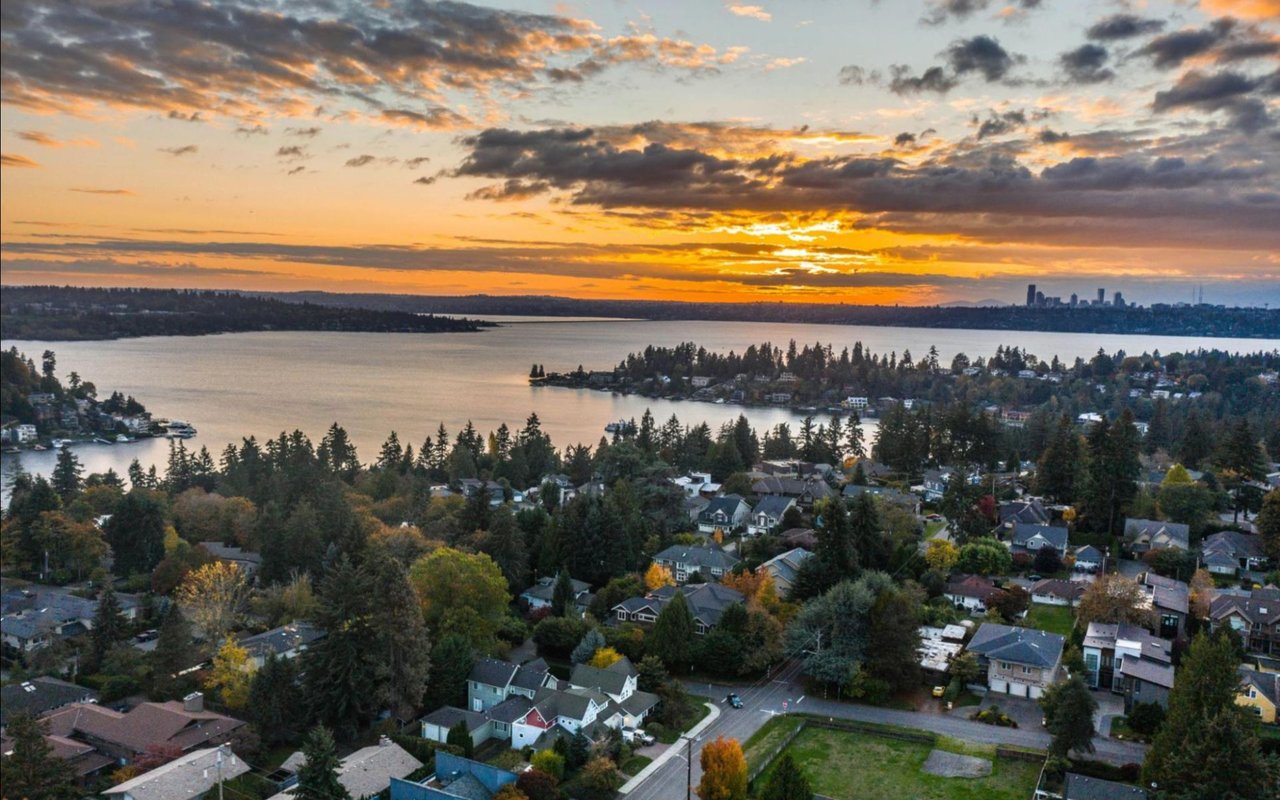
Bellevue’s connection to Lake Washington is easiest to see at Meydenbauer Bay. Just east of downtown, the bay offers public shoreline access and a marina that you can reach on foot from nearby residential areas. Sidewalks and paths link the waterfront directly back to the city.
Because of that proximity, the waterfront becomes something you pass through or spend time at regularly, not just on special occasions.
What Defines Meydenbauer Bay
- Public marina and shoreline access
- Pedestrian routes connecting to downtown Bellevue
- Open views across Lake Washington toward Seattle
These features shape how residents interact with the waterfront year-round.
Parks That Sit Inside the City, Not Outside It
One thing Bellevue does well is place parks where people already are. Downtown Park, for example, sits right next to the downtown core. It includes open lawns, walking paths, and a large reflecting pond, all surrounded by residential and commercial buildings.
Beyond downtown, the Bellevue Botanical Garden offers maintained gardens and trails that are easy to incorporate into regular routines rather than feeling removed from the city.
Notable Park Spaces
- Downtown Park near Bellevue Square
- Bellevue Botanical Garden with established trail systems
- Neighborhood parks within residential areas
These parks are used often because they’re easy to get to.
Mercer Slough Nature Park and Preserved Open Space
Mercer Slough Nature Park is one of the largest urban wetland parks in the region, and it sits right inside Bellevue. The park includes miles of trails, waterways, and protected wetlands, with nearby development close enough to make the contrast obvious.
It’s not tucked far away; it’s part of the city’s footprint.
What Mercer Slough Offers
- Extensive trail networks
- Canoe and kayak access
- Protected wetland habitat
Having this scale of preserved open space within city limits is a defining physical feature of Bellevue.
Residential Neighborhoods Close to Amenities
Many Bellevue neighborhoods are located near downtown, parks, and waterfront areas rather than far from them. That proximity changes how people use their homes and their surroundings. Trips to restaurants, retail, or open space tend to be shorter and easier to work into daily life.
Where a home sits in relation to these amenities matters.
Practical Benefits of This Layout
- Shorter trips for everyday needs
- Clear separation between residential streets and commercial areas
- Easy access to parks and public spaces
This balance shows up quickly once you live here.
Long-Established Infrastructure
Bellevue isn’t built on speculative development. Major roadways, commercial districts, and public spaces have been in place for decades and continue to be maintained and updated. You see this in how downtown connects to surrounding neighborhoods and how public spaces are integrated into the city.
The layout feels established rather than improvised.
Infrastructure You Notice Over Time
- Defined commercial and residential zones
- Long-standing retail and business districts
- Maintained streets, parks, and public areas
These elements shape how the city functions day to day.
Walkability Depends on Location
Bellevue isn’t walkable everywhere, and that distinction matters. Downtown Bellevue, areas around Bellevue Square, and neighborhoods next to Downtown Park support walking for errands, dining, and recreation. Other areas are more car-oriented.
Understanding where walkability exists helps set realistic expectations.
Areas With Walkable Access
- Downtown Bellevue core
- Streets surrounding major retail centers
- Neighborhoods adjacent to central parks
This difference often influences where buyers focus their search.
Daily Life Shaped by Physical Proximity
What ultimately defines Bellevue is how close these places are to one another. Downtown, waterfront areas, parks, and residential neighborhoods sit close enough that moving between them feels straightforward. You don’t have to plan around distance to use what the city offers.
That physical layout is easy to see once you spend time here.
Observable Details That Matter
- Distance between home, parks, and retail
- Access to waterfront and preserved open space
- Clear neighborhood boundaries
These are things you can walk, drive, and experience directly.
FAQs
What parts of Bellevue are most connected to daily amenities?
Downtown Bellevue and areas near Bellevue Square, Downtown Park, and Meydenbauer Bay offer the most direct access to retail, dining, and public spaces.
Does Bellevue have meaningful access to open space?
Yes. Mercer Slough Nature Park, Downtown Park, and the Bellevue Botanical Garden are all located within the city.
Is Bellevue more urban or residential?
It’s both. Bellevue has a defined urban core with residential neighborhoods located close by.
Contact Tom Covello Today
If you’re considering buying or selling a home in Bellevue, understanding the city through its real places and layout matters. Where a home sits in relation to downtown, parks, waterfront access, and daily amenities plays a direct role in how it’s experienced.
Reach out to me,
Tom Covello, and let’s talk about how Bellevue’s actual geography and infrastructure align with your real estate goals. When decisions are grounded in what the city physically offers, it becomes much easier to evaluate what makes living here work for you.