By Tom Covello
I've walked through hundreds of Bellevue homes over 30 years, and the ones that stop buyers cold almost never got there by chasing trends. They got there through deliberate choices: materials that age well, layouts that work for real life, and finishes calibrated to the Pacific Northwest light rather than whatever was popular that year. In a market where the median home sits near $1.3–1.4 million, the gap between a bidding war and a listing that lingers 40 days is almost always about design, not square footage.
Key Takeaways
- Bellevue's buyer pool skews heavily toward tech-sector professionals who've toured a lot of homes and notice quality finishes immediately
- The Eastside's 2026 design direction favors warm neutrals, natural textures, and flexible floor plans
- Homes in Enatai, West Bellevue, and Somerset are evaluated closely on condition; move-in-ready presentation commands faster offers and stronger prices
- Small, well-executed updates in kitchens, primary suites, and main living areas consistently outperform expensive full renovations in buyer response
What Bellevue Buyers Are Actually Evaluating
Most Eastside buyers arrive having toured 10 to 20 homes. Many are relocating from tech campuses in Redmond or downtown Bellevue, and they've calibrated a sharp sense of what a $1.5 million home should feel like. A home that doesn't match that expectation loses the offer even when the price looks right.
Design Choices That Consistently Resonate with Eastside Buyers
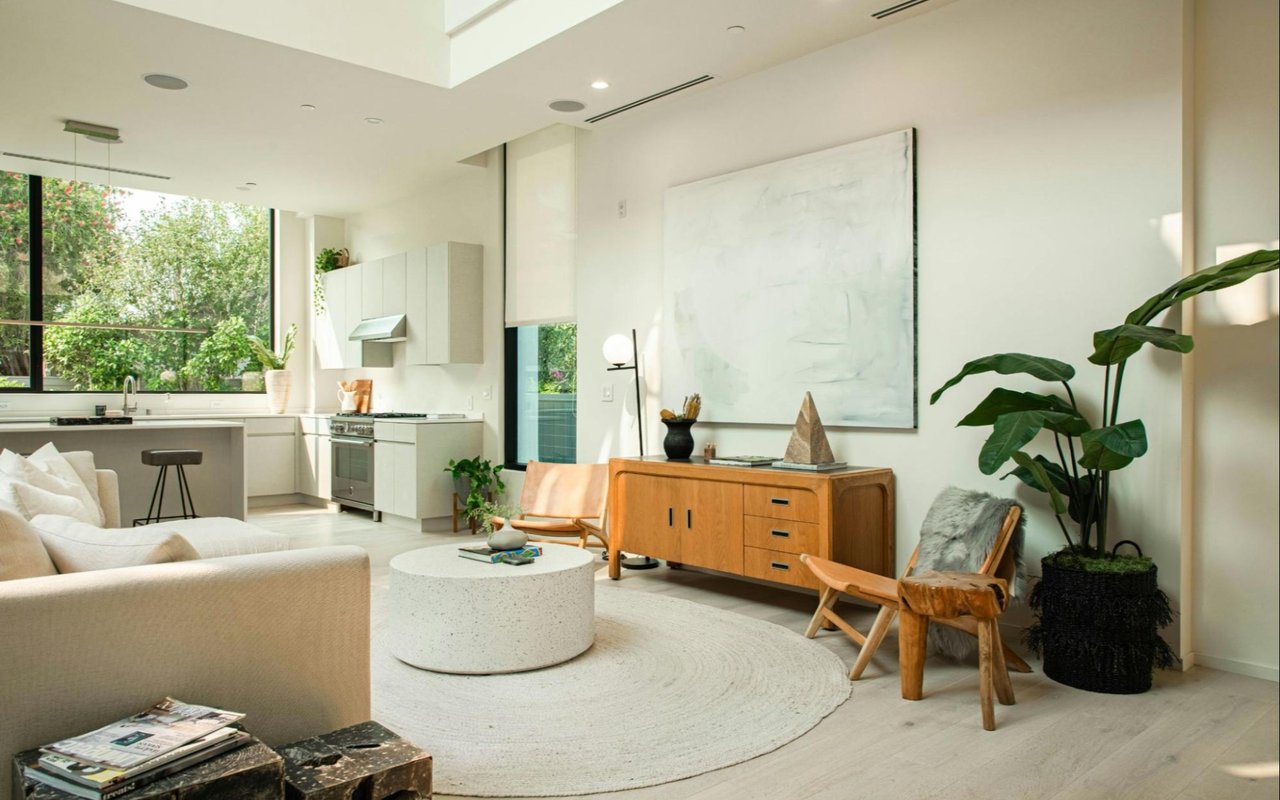
- Warm neutral palettes over stark white: The 2026 design direction leans toward Pantone's Cloud Dancer, warm greiges, and muted earth tones. These complement the Pacific Northwest's diffuse, grey-sky light in a way that stark white doesn't, and they don't date the way the all-white kitchen trend already has in older Eastside listings
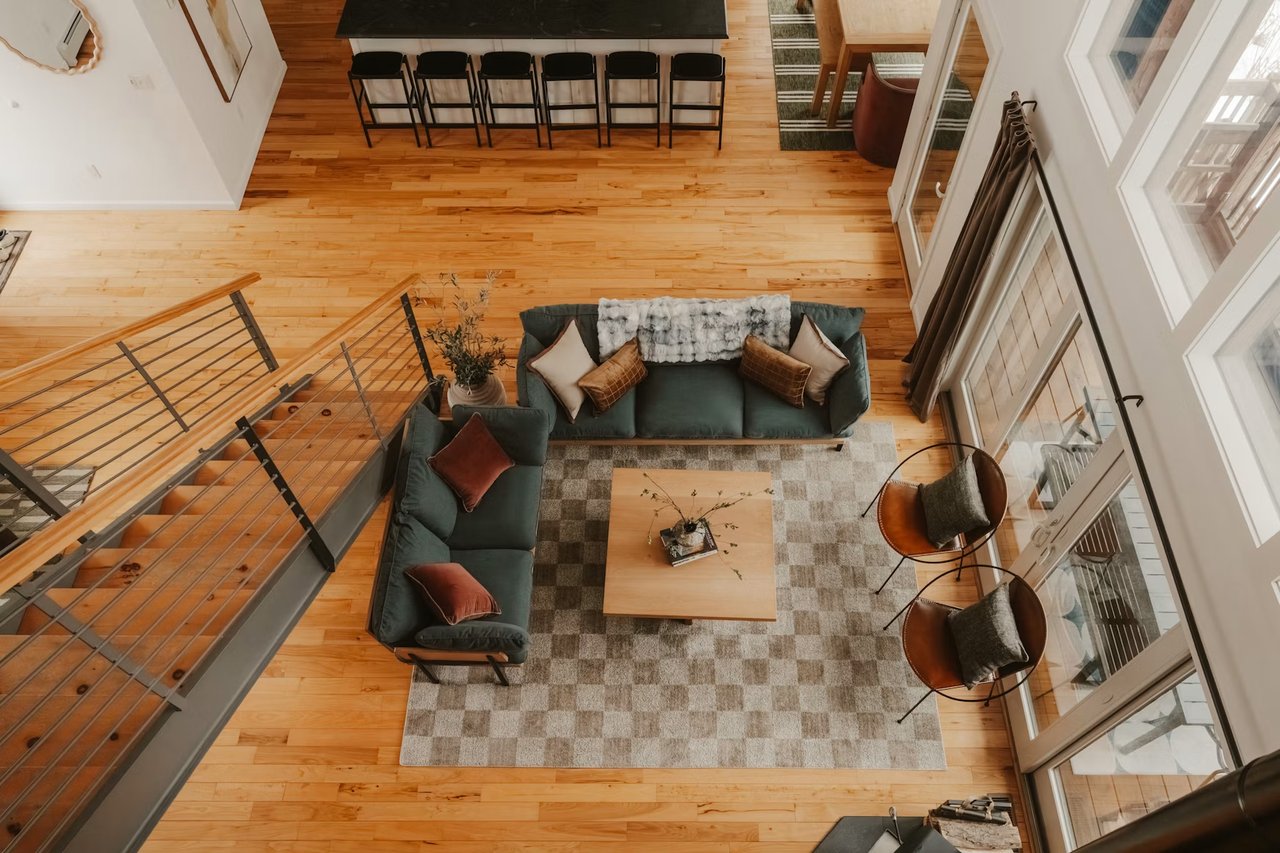
- White oak hardwood floors throughout main living areas: Buyers touring homes in Bridle Trails and Newport Hills notice the difference between white oak and engineered alternatives immediately; oak ages gracefully, tolerates the PNW humidity cycle, and signals quality at a glance without requiring an explanation
- Open main-floor layouts with a clear sight line to outdoor space: Bellevue sits inside a landscape (Lake Washington views in West Bellevue and Enatai, wooded lots in Bridle Trails, ridge views in Somerset), and homes that borrow that setting through glass doors and unobstructed sightlines feel larger and more connected to place
- A dedicated home office that doesn't feel improvised: A bedroom converted to an office with built-ins, proper lighting, and acoustic separation reads very differently than a desk wedged into a corner; Bellevue's hybrid-work demographic notices and prices it accordingly
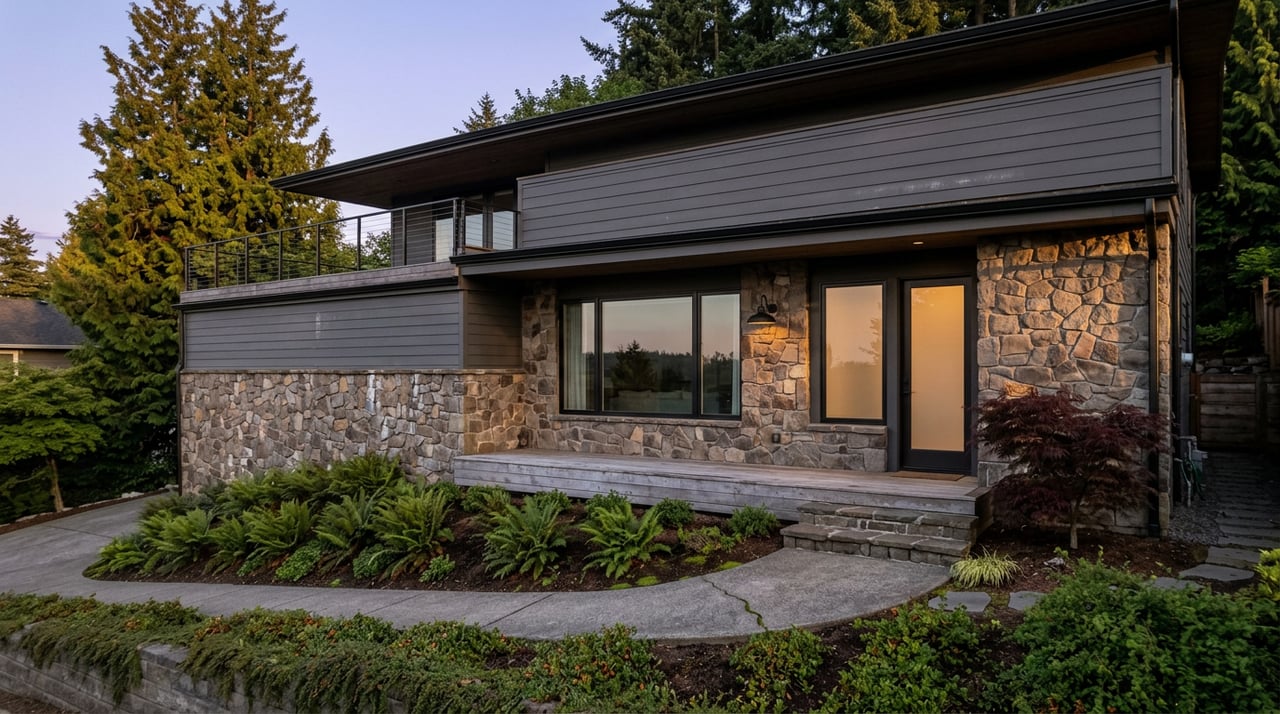
- Indoor-outdoor transition zones: A covered deck, a screened porch, or even a well-hardscaped patio off the main living area signals intentional design and extends the home's usable space across Bellevue's long shoulder seasons
Where to Spend and Where to Hold Back
Remodeling costs on the Eastside run above national averages due to local labor rates and Washington Energy Code compliance requirements. The ROI calculus in Bellevue consistently rewards midrange updates over high-end custom work, and knowing the difference matters.
The Highest-Return Updates for a Bellevue Home
- Minor kitchen refresh: Updated cabinet hardware, new countertops in quartz or quartzite, a quality appliance package, and a fresh backsplash routinely recoup 80–113% of cost in the Seattle metro, and they're what buyers see first
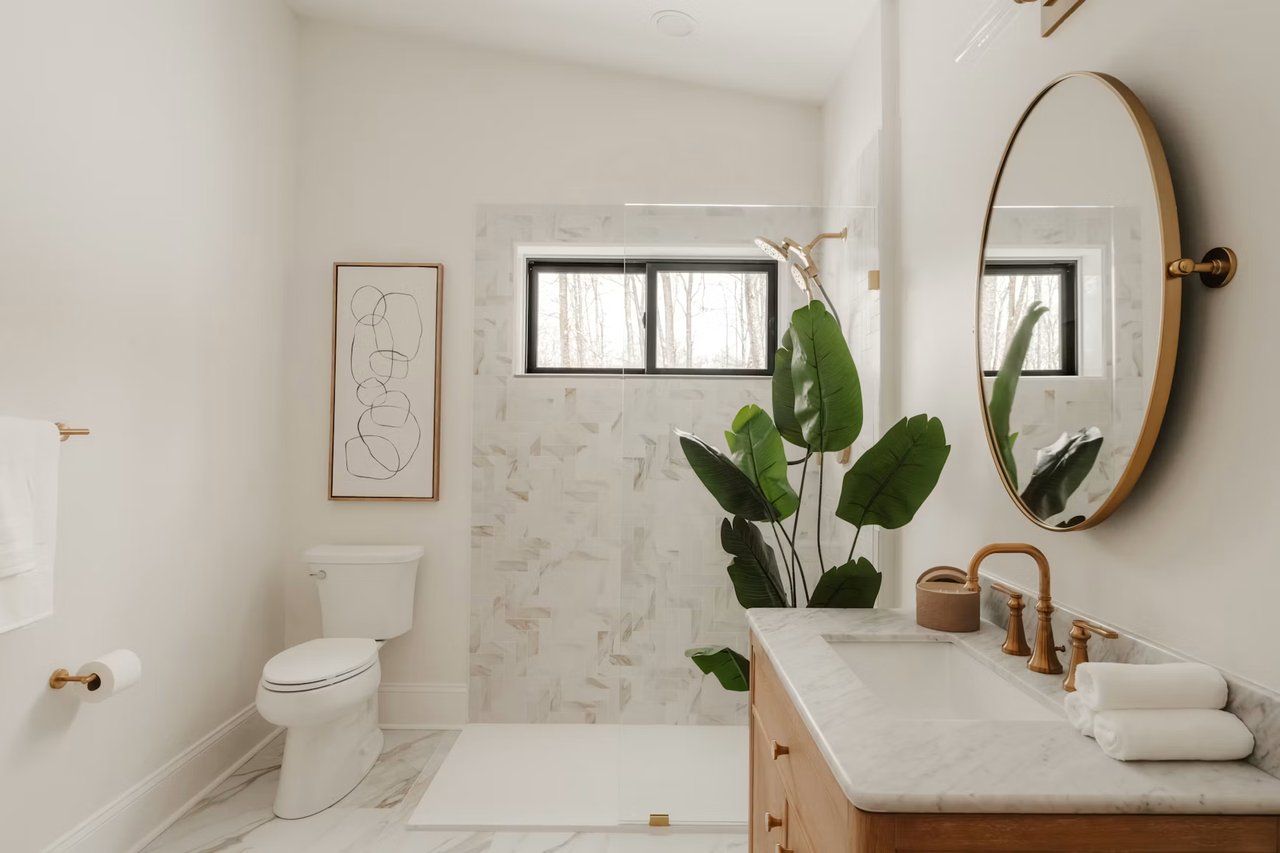
- Primary bathroom upgrade: Frameless glass shower enclosures, heated floors, and large-format tile in natural stone are expected in any Bellevue home priced above $1.5M; this is where the buyer demographic pays close attention
- Smart home baseline: A smart thermostat, automated exterior lighting, and a video doorbell are relatively inexpensive to install and meaningfully affect perception in a market full of tech workers who will add these anyway and factor the cost into their offer
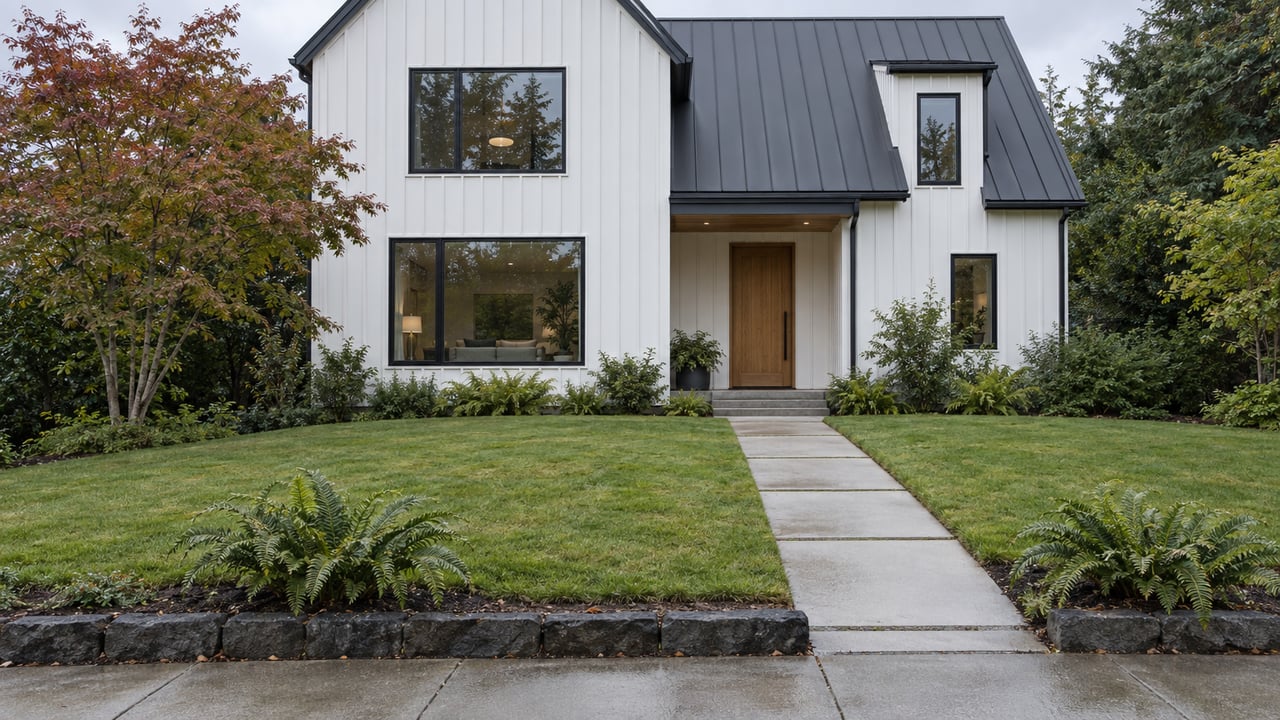
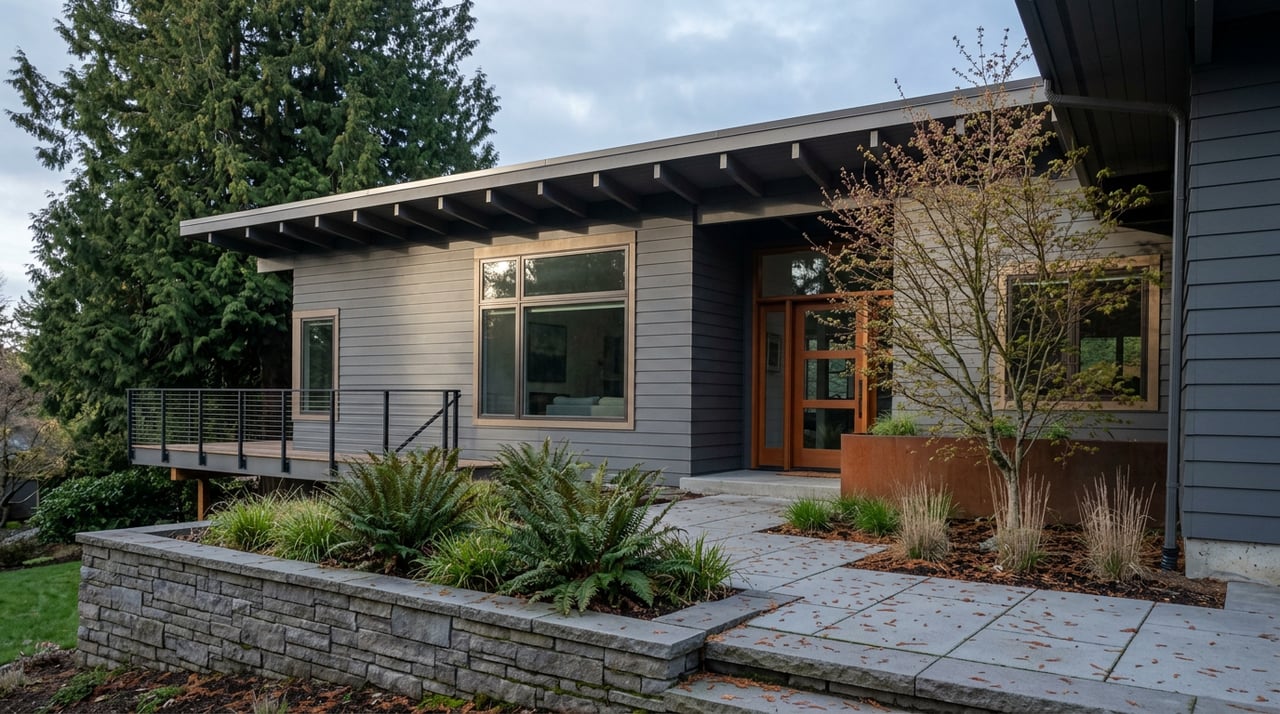
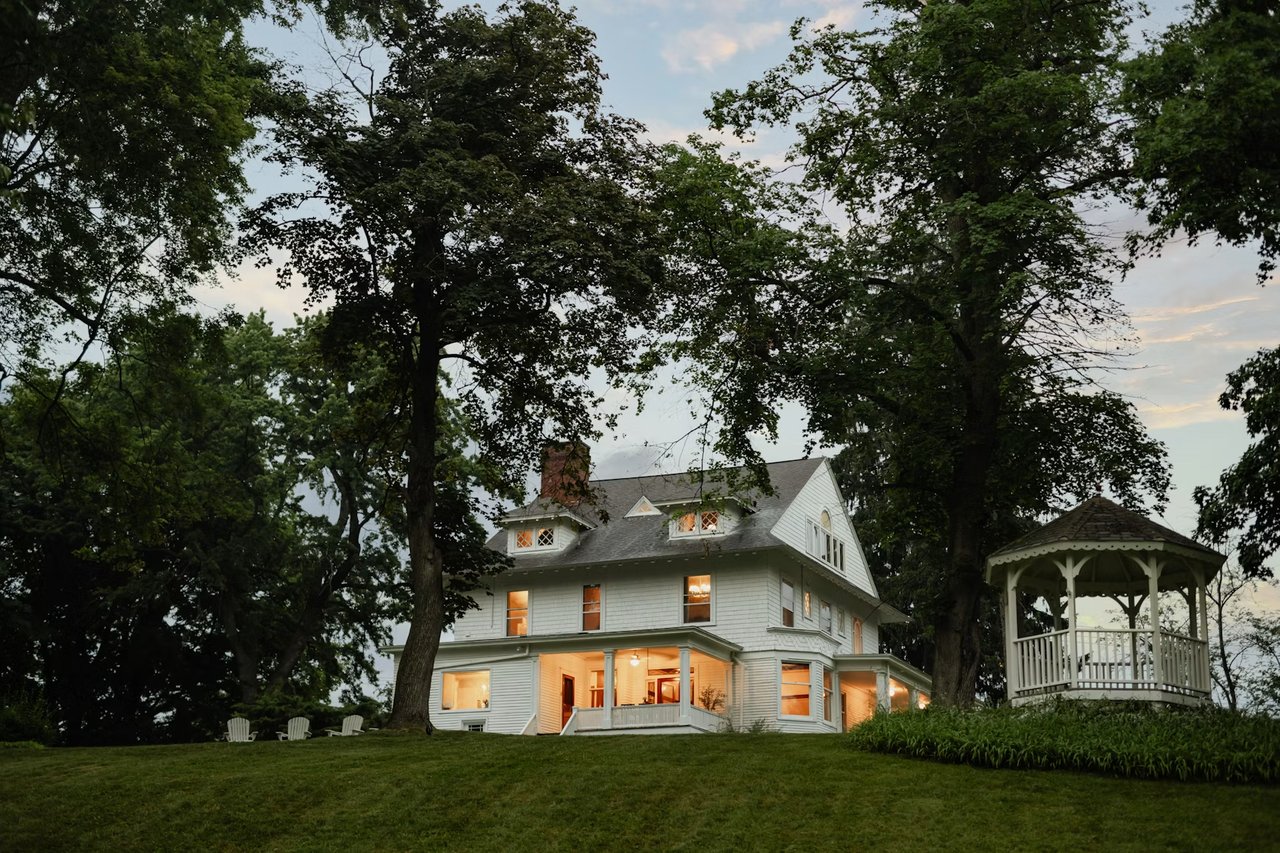
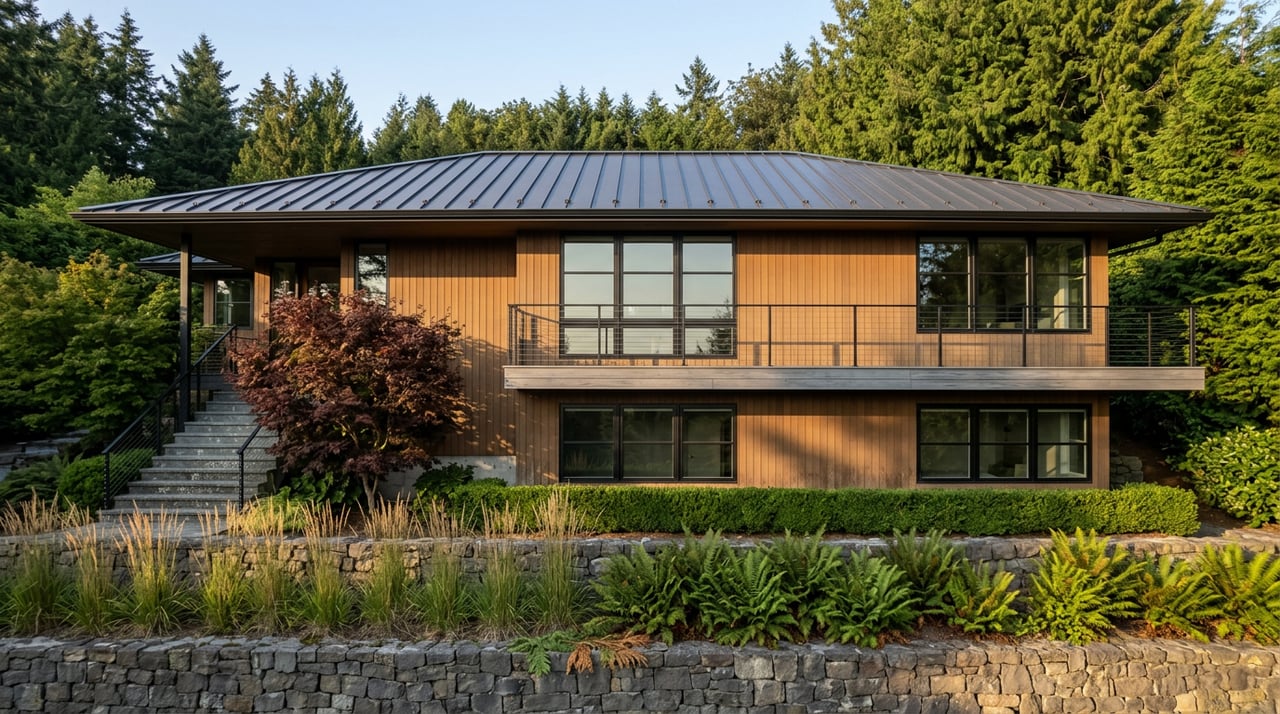
- Exterior paint and entry door: First-impression upgrades return more per dollar than almost any interior project; in Bellevue's frequently grey winters, a freshly painted exterior with a high-contrast entry door stands out sharply against competing listings
FAQs
How much should I spend on updates before listing my Bellevue home?
That depends on the home's condition and price point, but the rule of thumb I use is to focus on what buyers will evaluate before they make an offer, not what they'll change afterward. Strategic cosmetic updates in the kitchen, bathrooms, and exterior almost always deliver a stronger return than a full renovation, and they're faster to execute on a listing timeline.
Do smart home features really affect how buyers evaluate a Bellevue property?
Yes, and more than most sellers expect. In a market where a large share of buyers work in tech, integrated home systems are a baseline — the absence of them registers as a gap, not a neutral. A smart thermostat and video doorbell cost a few hundred dollars and signal that the home has been maintained with attention.
What's the biggest design mistake Bellevue sellers make before listing?
Over-personalizing. Highly specific wallpaper, bold paint colors, and niche renovation choices that reflect the current owner's taste can narrow the buyer pool in a market where you want the broadest possible interest. Warm neutrals and clean, functional spaces let buyers project themselves into a home rather than seeing what they'd need to undo.
Contact Me Today
The gap between a home that generates multiple offers and one that sits is almost always about presentation, not price. I work closely with sellers to identify the specific updates that move the needle in this market, and skip the ones that don't.
Reach out to me,
Tom Covello, to talk through where your Bellevue home stands and what it would take to position it for the strongest possible outcome.