By Tom Covello
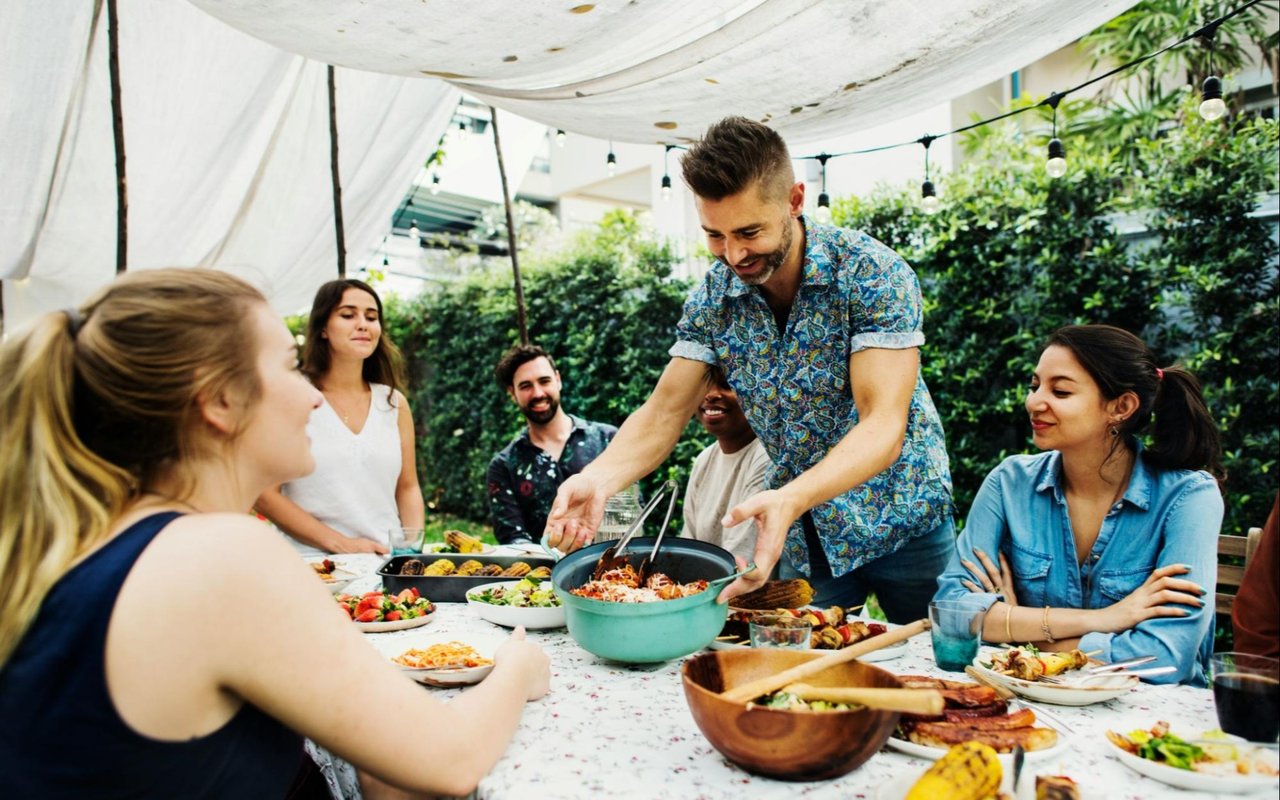
Outdoor living space is one of the most consistent priorities I hear from buyers in Bellevue, WA — and for good reason. The Eastside offers genuine beauty year-round, and a well-designed outdoor space extends your home's livable square footage, improves daily life, and adds real value when it comes time to sell. Getting it right takes more than a patio set and a grill. Here is how to approach an outdoor entertaining space that works for the Pacific Northwest and reflects the quality of the home around it.
Key Takeaways
- A successful outdoor entertaining space is designed in defined zones — dining, seating, cooking — rather than as one undifferentiated area
- In Bellevue, WA, weather protection is not optional: a covered structure or pergola makes outdoor spaces usable from March through November
- Outdoor kitchens, fire features, and quality lighting are the upgrades that most consistently increase entertaining frequency and home value on the Eastside
- Durable, weather-resistant materials are essential in the Pacific Northwest — composite decking, powder-coated metals, and quality hardwoods hold up where less robust options do not
Design Around Defined Zones
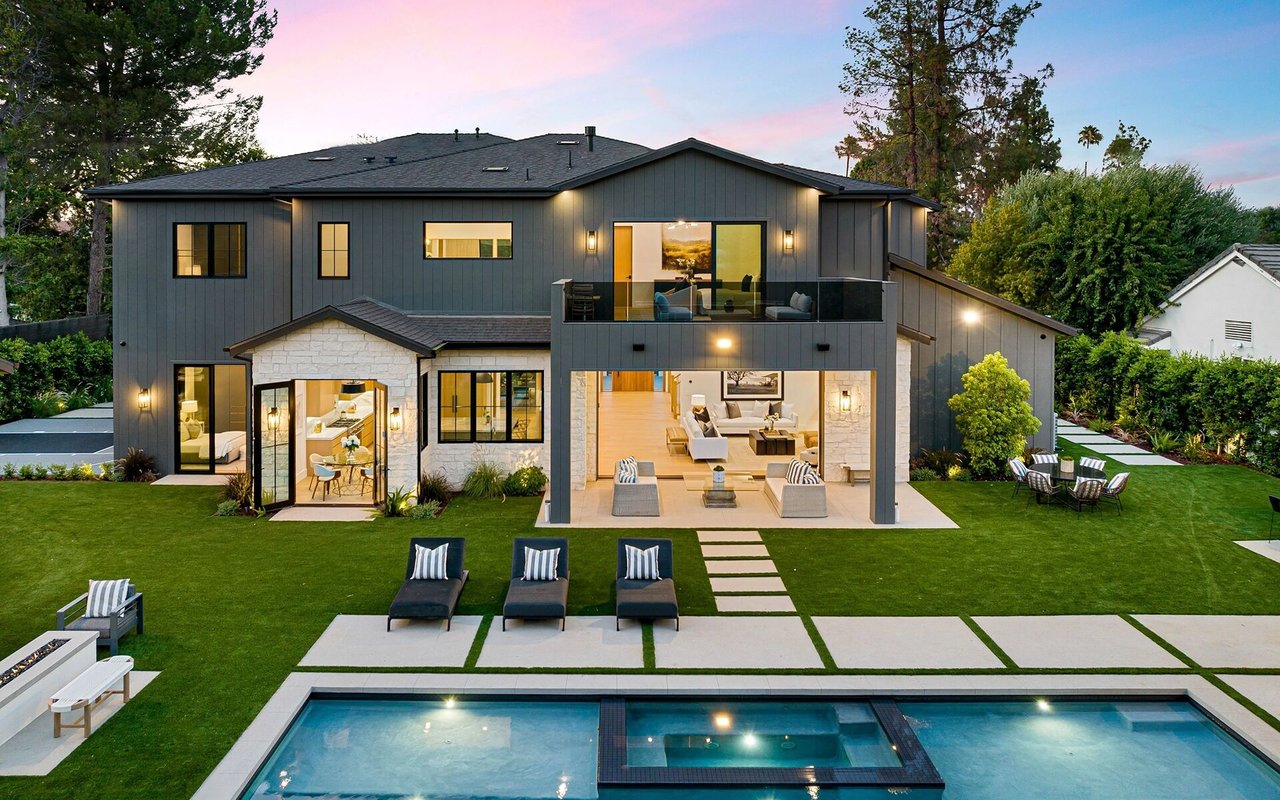
The most common mistake in outdoor space design is treating the entire backyard as one area. The spaces that actually get used — and that guests talk about — are organized around specific activities. A dining zone, a lounge area centered on a fire feature, and a cooking zone each serve a distinct purpose and allow different groups to use the space simultaneously.
This does not require a large yard. Even a mid-sized Bellevue, WA, lot can accommodate two or three distinct areas with the right planning. A consistent material palette and coherent design language tie the zones together visually even when they serve different functions.
How to Define Outdoor Zones Effectively
- Use a covered or pergola-shaded dining area as the anchor — it defines the space and gives guests an obvious gathering point
- Separate the lounge zone from dining with a change in grade, materials, or a fire feature as a focal point
- Position the cooking zone with clear sightlines to both dining and seating so the host stays connected while cooking
- Use outdoor rugs, planters, and lighting to reinforce zone boundaries without hard architectural divisions
- Leave circulation space — guests should move between zones comfortably without stepping around furniture
Prioritize Weather Protection
Bellevue, WA, receives consistent rainfall from fall through spring, and summer evenings can turn cool. An outdoor space without weather protection sits unused for much of the year. A covered patio, pergola, or motorized louvered roof structure transforms a seasonal space into one that is genuinely usable from early spring through late fall.
Motorized louvered pergola systems — which let you open or close overhead slats based on sun, rain, or temperature — have become the standard for Eastside homeowners who entertain regularly, and they are a clear differentiator when selling.
Weather Protection Options for the Pacific Northwest
- Attached covered patio: the most integrated option, extending your roofline over the outdoor area with a seamless connection to the home's architecture
- Freestanding pergola with a canopy: flexible placement and a strong design element, particularly in yards where the outdoor space sits further from the house
- Motorized louvered pergola: adjustable overhead slats let you control light and weather with a remote, making the space usable in almost any condition
- Outdoor heaters: propane or electric heating elements extend comfortable use into cooler months and are standard in well-equipped Eastside spaces
- Drainage: proper grading and drainage under hardscape prevents standing water that shortens the life of the surface and limits use after rain
Invest in an Outdoor Kitchen or Grill Station
An outdoor kitchen is consistently among the most-used upgrades in Eastside homes and reliably comes up in buyer conversations. At minimum, a built-in grill station with counter space on both sides, weather-resistant storage below, and a side burner creates a functional cooking zone. At the high end, a full outdoor kitchen with a grill, refrigerator, sink, and bar seating extends the home's kitchen functionality outdoors and becomes the anchor of the entertaining space.
Outdoor Kitchen Priorities for Bellevue Homes
- A built-in grill with counter space on both sides — the workhorse of any outdoor cooking zone
- Weather-resistant countertops and cabinetry: powder-coated stainless steel, concrete, or porcelain tile hold up in the Pacific Northwest where untreated materials degrade quickly
- A refrigerator and sink bring genuine kitchen functionality outdoors and eliminate constant trips back inside
- Bar seating keeps guests close to the cooking action without crowding the work zone
- Adequate overhead lighting over the cooking area — functionality after dark matters as much as during the day
Add a Fire Feature
A fire pit or outdoor fireplace extends how late guests stay and how often the space gets used on cooler evenings. On the Eastside, where fall and spring entertaining are as common as summer, a fire feature is a practical extension of the space's usability rather than a luxury.
Gas fire features offer the cleaner, lower-maintenance option: push-button ignition, no ash, no wood storage. Wood-burning fire pits offer a different atmosphere and the sensory experience many Pacific Northwest homeowners and guests specifically seek out.
Fire Feature Options for the Pacific Northwest
- Gas fire pit: low maintenance, easy to use — ideal for frequent entertaining and a clean aesthetic
- Wood-burning fire pit: more atmospheric, with that genuine Pacific Northwest campfire quality, but requires wood storage and cleanup
- Outdoor fireplace: the highest-investment option — a built-in fireplace becomes a focal point of the entire space and a clear differentiator in Bellevue's luxury market
- Fire table: a hybrid combining a usable surface with a central gas fire element, strong for smaller lounge areas where a full fireplace is not practical
FAQs
What outdoor improvements add the most value to a Bellevue home?
A covered structure, a quality deck or patio, and an outdoor kitchen consistently register with buyers as meaningful amenities in this market. Lighting, landscaping, and a fire feature round out the most impactful additions. The key is using durable, high-quality materials that look intentional rather than improvised.
What materials hold up best in the Pacific Northwest climate?
Composite decking, powder-coated stainless steel, concrete, porcelain tile, and quality hardwoods such as teak or ipe all perform well in Bellevue's wet winters and warm summers. Untreated wood and standard aluminum surfaces require more maintenance and show wear faster. Investing in the right materials upfront saves cost and frustration over time.
How do I start planning an outdoor living project?
Begin with how you actually entertain — how many people, what activities, how often — and design back from that reality. Work with a local landscape designer or contractor familiar with Bellevue, WA, permitting requirements and Pacific Northwest climate conditions. Pull necessary permits before construction begins, particularly for permanent structures and outdoor kitchens.
Thinking About Selling in Bellevue, WA?
Outdoor living spaces consistently influence what buyers are willing to pay on the Eastside. If you are considering improvements before listing or want to understand which investments make the most sense for your specific property, I am happy to walk through it with you.
Reach out to me,
Tom Covello, and let's talk about what the right outdoor space can do for your home's value.