By Tom Covello
Flipping houses in Bellevue, WA, is not the same as flipping houses most other places. The median sale price sits around $1.48 million, homes routinely attract multiple offers, and buyers here have high expectations for finishes, layout, and condition. That combination can produce strong returns — but it also means the margin for error is thin. The investors who succeed understand the local market before they buy anything. Here is what I tell clients who are considering a flip in Bellevue and the broader Eastside.
Key Takeaways
- Bellevue, WA, is one of Washington's most competitive markets, with just 0.33 months of housing supply and homes selling in around 40 days as of late 2025
- The 70% rule — pay no more than 70% of after-repair value minus estimated renovation costs — is the essential starting point for evaluating any potential flip
- Renovation priorities in Bellevue should focus on kitchens, bathrooms, curb appeal, and the tech-forward, move-in-ready finishes that Eastside buyers expect
- Holding costs at Bellevue's price levels accumulate quickly — speed of execution on the renovation directly affects your bottom line
Why Bellevue Is a Strong — and Demanding — Market for Flipping
Bellevue's real estate fundamentals make a compelling case for investors. The Eastside economy is anchored by major technology employers, household incomes are well above national averages, and inventory has remained persistently low. As of December 2025, the median sale price in Bellevue was $1,480,000, inventory stood at just 0.33 months of supply, and properties were selling for 98.93% of asking price.
That demand is a tailwind for flippers who execute well. But the same conditions that create opportunity also raise the stakes. Acquisition costs are high, renovation standards are high, and buyers at this price point are experienced. A flip that would sell easily in a less competitive market may sit in Bellevue if it falls short on finishes or condition.
Why Bellevue's Market Works for Flippers
- Low inventory and consistent demand mean well-renovated properties priced correctly do not sit long
- Technology sector concentration in Bellevue and surrounding Eastside communities supports strong household incomes and sustained housing demand
- With just 0.33 months of supply, sellers hold significant pricing power — well-positioned inventory attracts competitive offers
- Home prices have shown consistent appreciation over time, though banking on appreciation rather than renovation value is a mistake flippers should avoid
The 70% Rule and Why It Matters Even More in Bellevue
The 70% rule is the foundational financial framework for any house flip. It states that an investor should pay no more than 70% of a property's after-repair value (ARV) minus estimated renovation costs. The formula: Maximum Offer = (ARV × 0.70) − Renovation Costs.
In Bellevue, WA, where acquisition costs are already high, this rule is not optional — it is the difference between a profitable flip and a break-even or loss. If the ARV on a Bellevue property is $1.8 million and renovations are estimated at $150,000, the maximum offer under the 70% rule is $1,110,000. Paying above that number compresses your margin before the renovation begins.
What the 70% Rule Must Account For in Bellevue
- Acquisition costs: purchase price, inspection fees, and title and escrow costs at closing
- Renovation costs: labor and materials, plus a 10–15% contingency buffer for surprises in older properties
- Holding costs: property taxes, insurance, utilities, and financing costs that accumulate during renovation — at Bellevue's price levels, these add up fast
- Selling costs: agent commissions, staging, photography, and closing costs on the sale side
- Washington real estate excise tax: graduated and applied to the full sale price — at $1.8 million, the rate reaches 2.75%, which must be factored into your cost model
Finding the Right Property
The biggest constraint for flippers in Bellevue, WA, is finding properties that can be acquired at a price that makes the math work. Distressed properties and deferred maintenance candidates are far less common here than in lower-priced markets. Off-market relationships, probate and estate sales, and properties that have been sitting longer than the neighborhood average all warrant attention.
The best flip opportunities on the Eastside tend to involve homes built in the 1970s through early 1990s with cosmetic and functional deferred maintenance, in neighborhoods with strong buyer demand and comparable renovated sales that support your target ARV.
What to Look for in a Bellevue Flip Property
- Cosmetic and functional deferred maintenance rather than major structural issues — structural problems can quickly consume an entire renovation budget at Bellevue prices
- A floor plan that is already functional for today's buyers: open-concept living, primary suite separation, and adequate garage space
- Comparable renovated sales that clearly support the ARV you need to hit your target margin
- Days on market that exceed the neighborhood average — though always investigate why the home has not sold before assuming it is an opportunity
What Bellevue Buyers Expect from a Renovated Home
Renovation standards in Bellevue, WA, are shaped by a buyer pool that includes technology professionals and executives who have toured extensively and know what they want. Move-in ready is the baseline. Finishes need to feel intentional and current — not just updated.
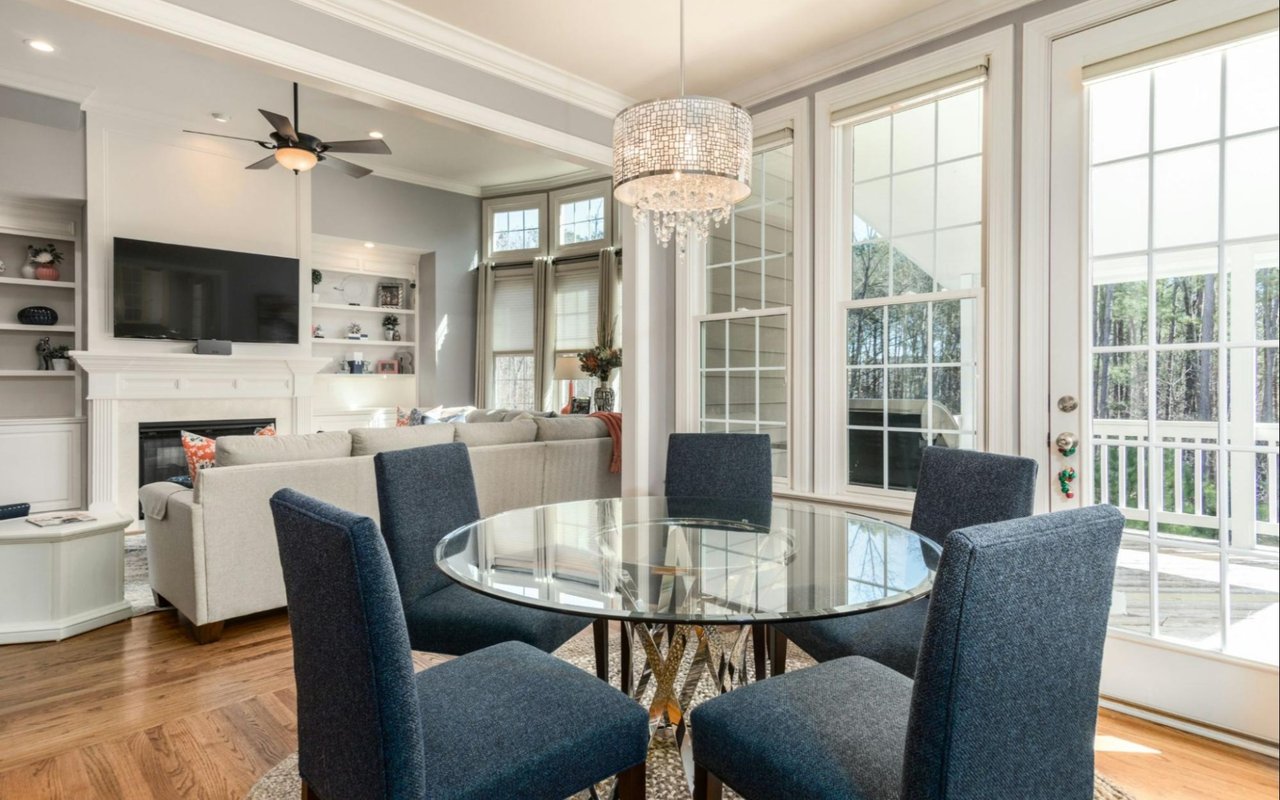
Kitchens and primary bathrooms drive purchase decisions more than any other rooms. At the $1.5–2 million price point, buyers expect quartz countertops, high-end appliances, and spa-like bathrooms with large-format tile and frameless glass. Energy-efficient systems and smart home features have become expected rather than premium in this market.
Renovation Priorities for a Bellevue Flip
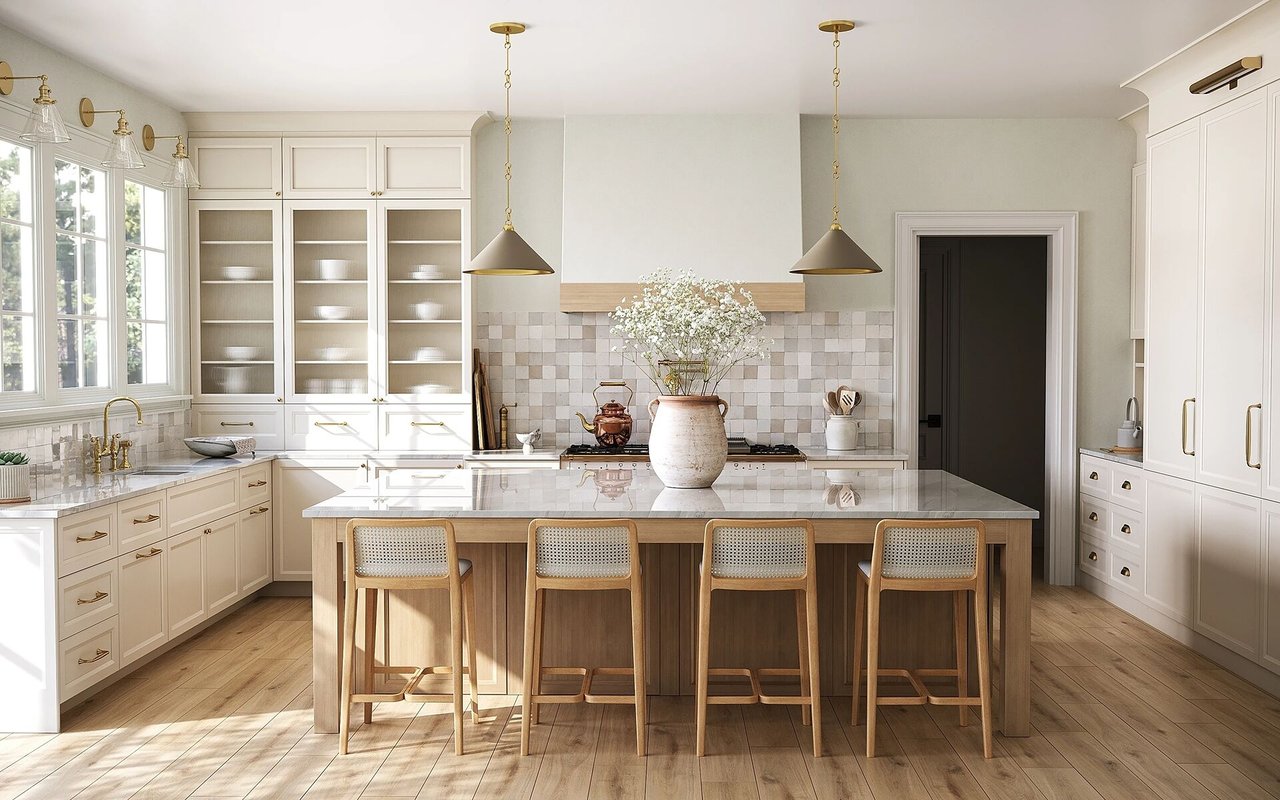
- Kitchen: quartz or stone countertops, updated cabinetry, a quality appliance package, and a functional layout that supports how people cook and entertain
- Primary bathroom: large-format tile, walk-in shower with frameless glass, double vanity, and clean neutral palette
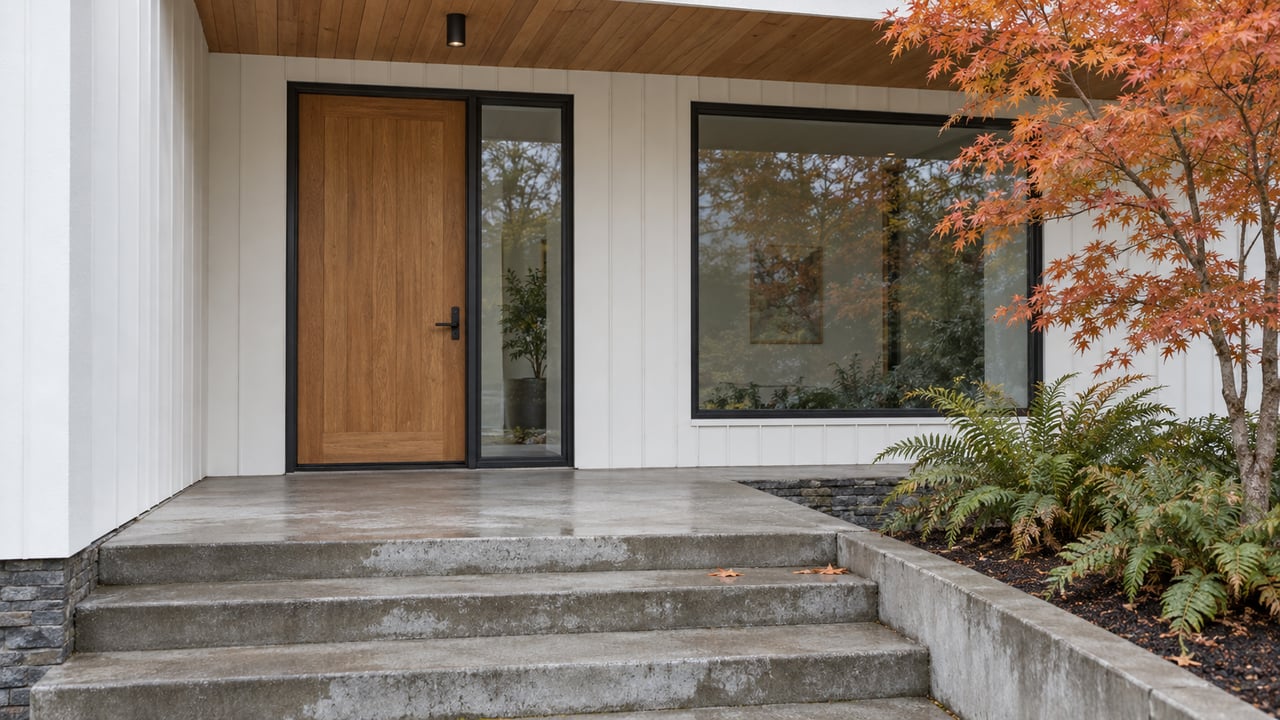
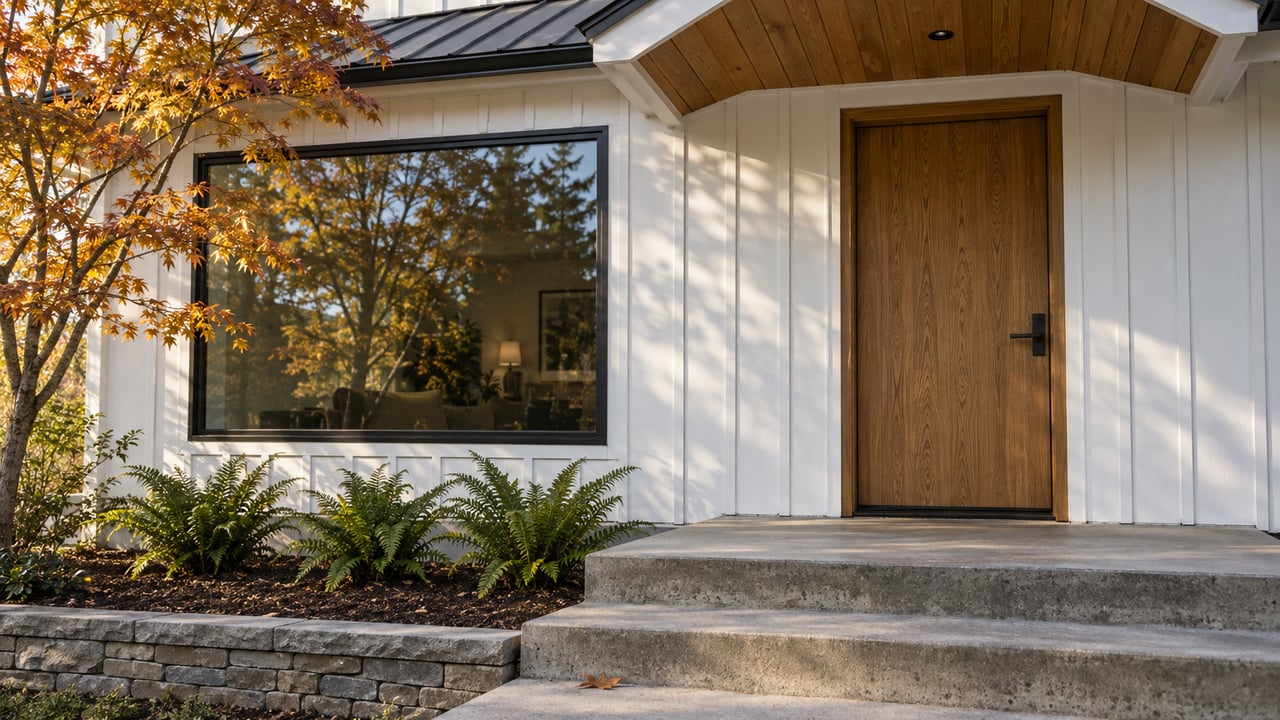
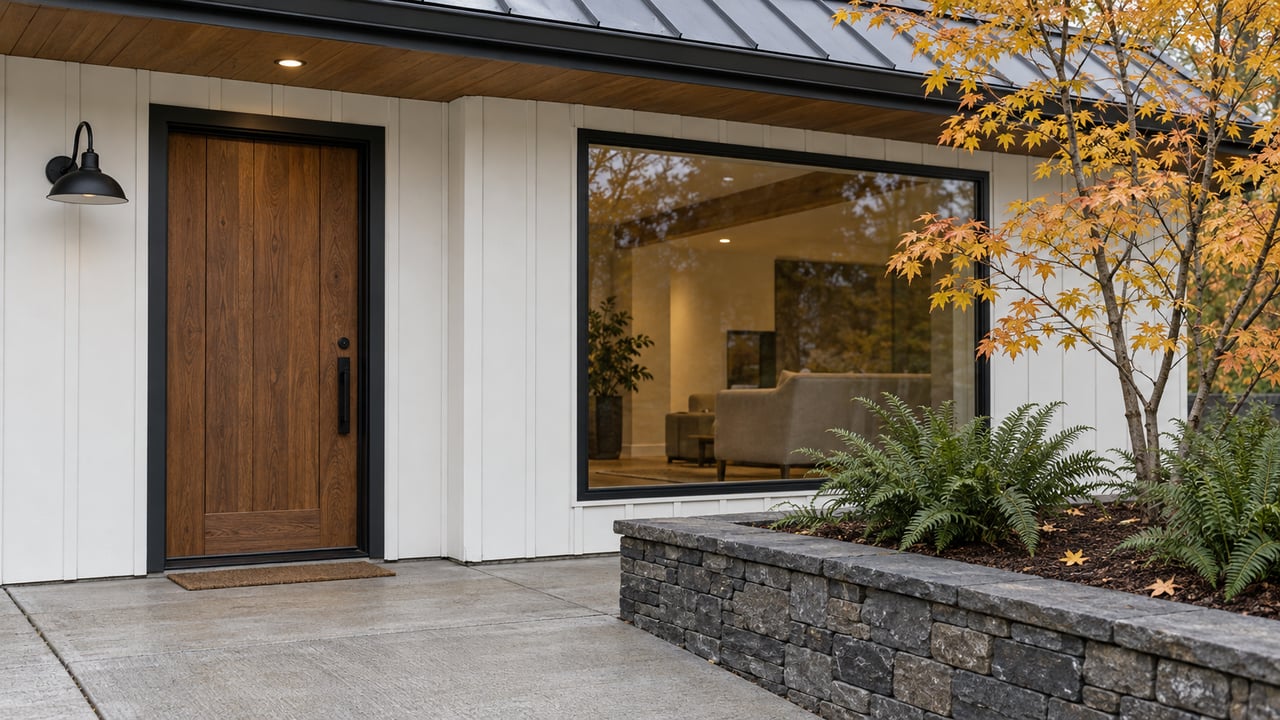
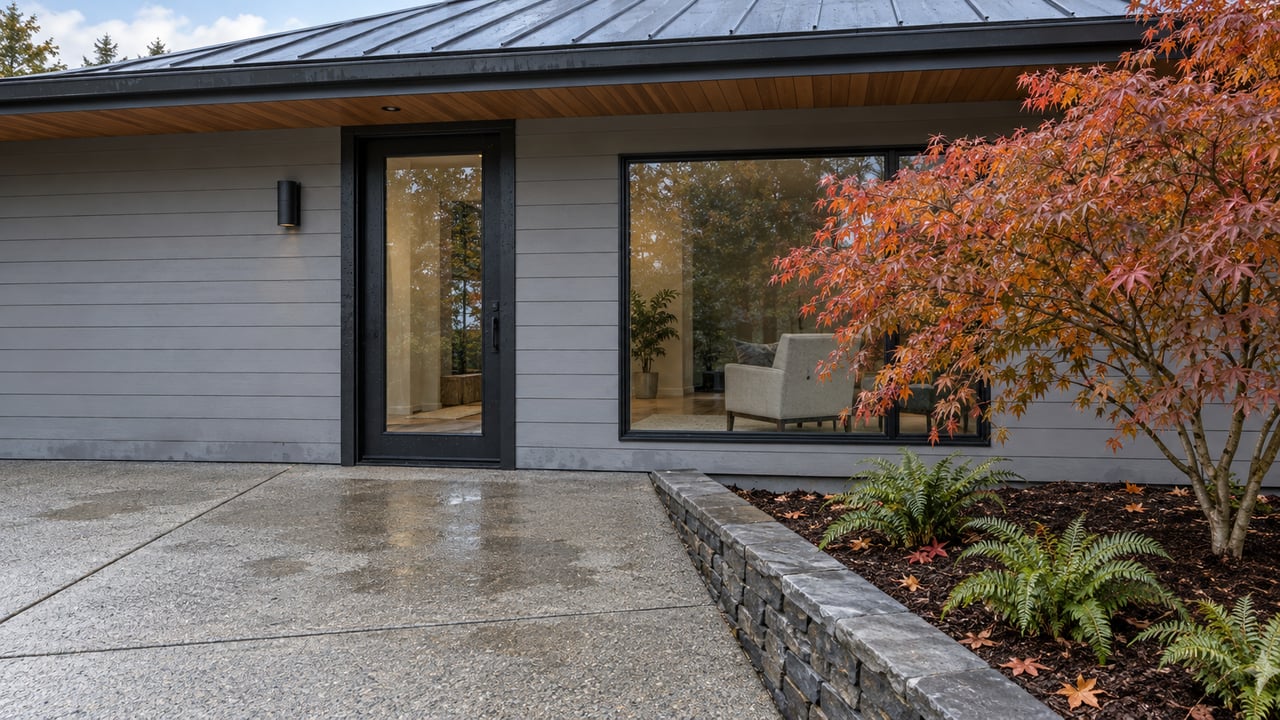
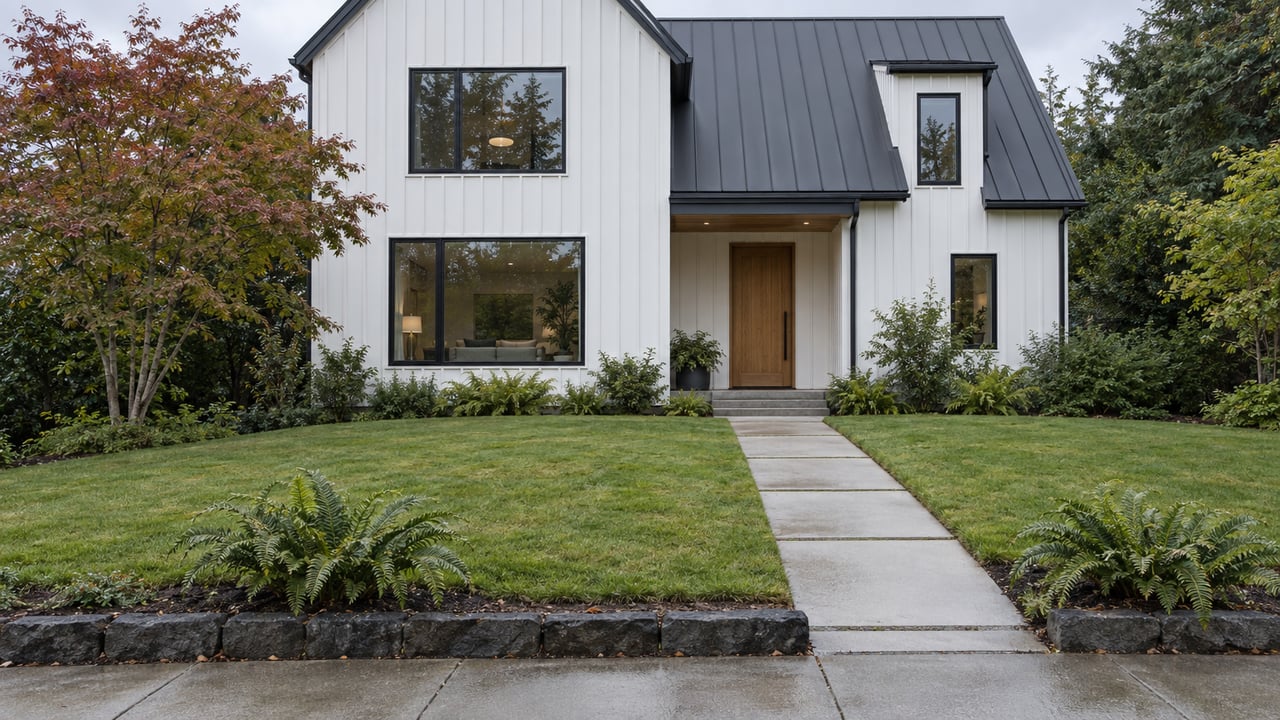
- Curb appeal: professional landscaping, fresh exterior paint, and a front entry that creates a strong first impression — Eastside buyers notice this before they step inside
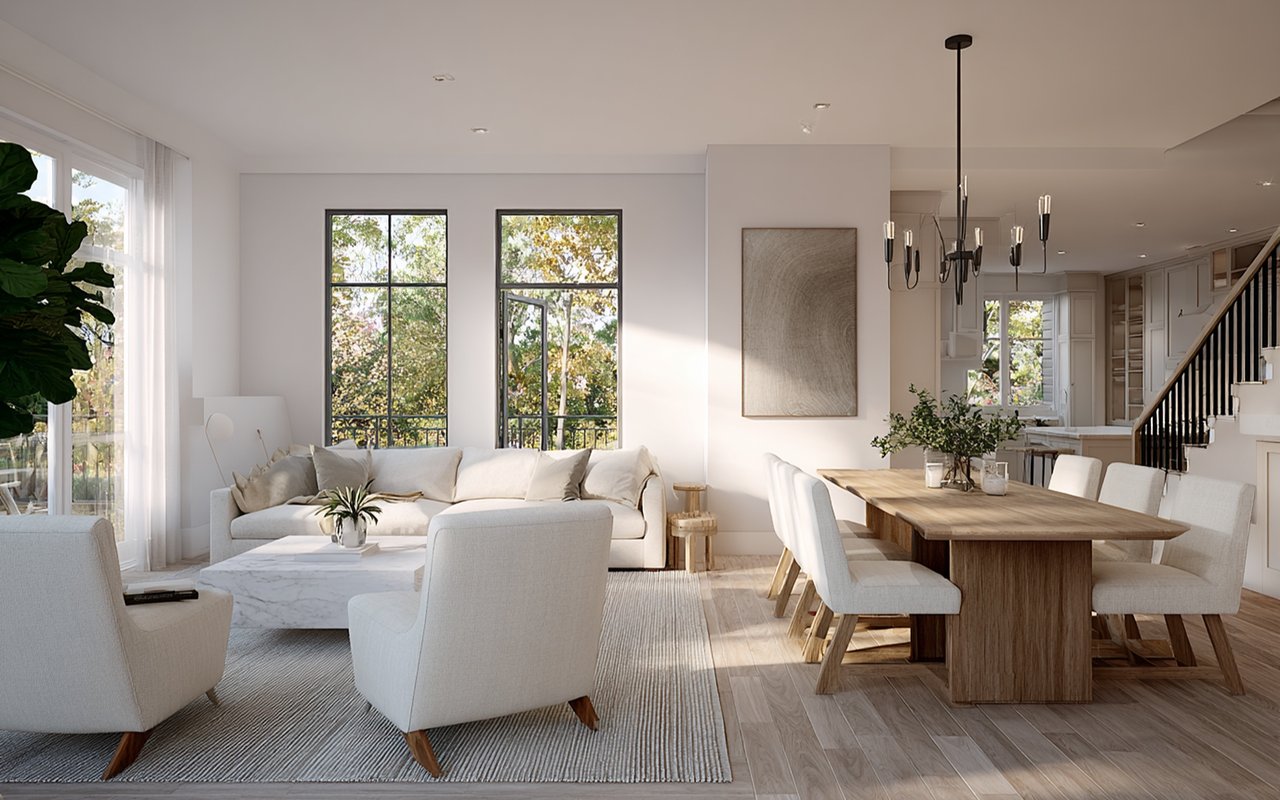
- Flooring: consistent hardwood or premium LVP throughout main living areas — mixed materials or carpet in living spaces reads as dated to this buyer pool
- Smart and energy-efficient systems: updated HVAC, smart thermostats, LED lighting, and EV charging in the garage are all features that register with Eastside tech buyers
FAQs
Do I need a real estate license to flip houses in Bellevue, WA?
No, a license is not required to flip houses in Washington state. However, working with an experienced local agent who understands Bellevue's micro-markets and can provide accurate ARV analysis gives you a meaningful edge in a competitive market.
How long does a typical flip take in Bellevue?
From acquisition to resale, most Bellevue flips take 90 to 180 days depending on renovation scope. Given the holding costs at this price point, minimizing delays has a direct impact on net return.
What are the biggest mistakes first-time flippers make in Bellevue?
Overestimating ARV, underestimating renovation costs, and over-improving for the specific neighborhood are the most common. Understanding exactly what the comps support — not what feels impressive — is the discipline that separates profitable flips from expensive lessons.
Thinking About Flipping in Bellevue, WA?
Local market knowledge is the most valuable asset in a flip, and it is something I have built over more than 30 years on the Eastside. Whether you are evaluating your first potential flip or looking to sharpen your strategy, I can help you run the numbers and identify the opportunities worth pursuing.
Reach out to me,
Tom Covello, and let's talk through what flipping in Bellevue, WA, looks like for your situation.