By Tom Covello
Furniture is one of the few decisions in a home that affects how every room looks, feels, and functions all at once. Get the scale wrong and a beautiful room feels off without anyone being able to say exactly why. Get it right and the whole house flows.
Bellevue homes range from mid-century modern Eastside properties and Craftsman-influenced builds to newer contemporary construction in neighborhoods like Lakemont and Bridle Trails, and each architectural style responds to furniture differently. Knowing where to start makes the whole process less overwhelming.
Key Takeaways
-
Scale and proportion are the most common furniture mistakes and the easiest to avoid with a tape measure
-
Your home's architectural style should guide the silhouette, material, and weight of the furniture you choose
-
The Pacific Northwest aesthetic favors natural materials, warm wood tones, and layered texture over trend-driven pieces
-
Furniture that photographs well and functions well serves you both as a homeowner and eventually as a seller
Start With Scale and Proportion
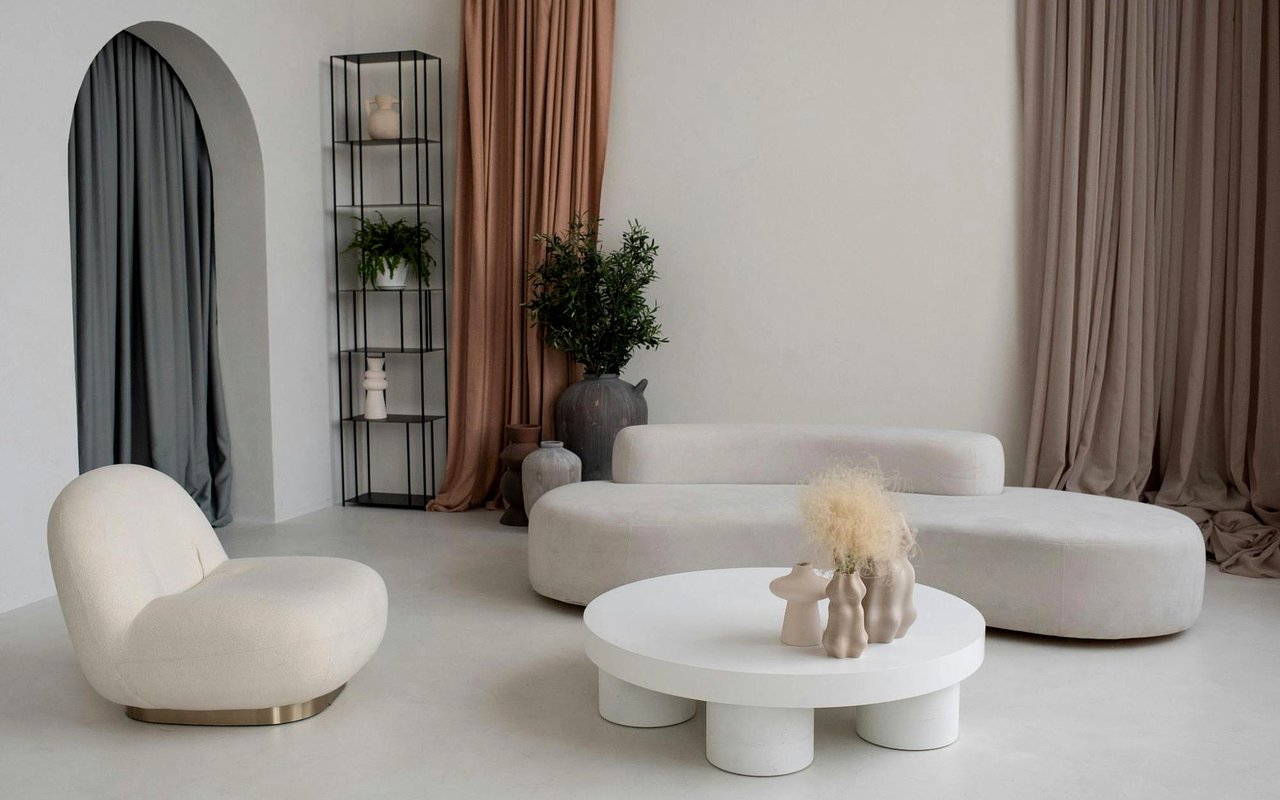
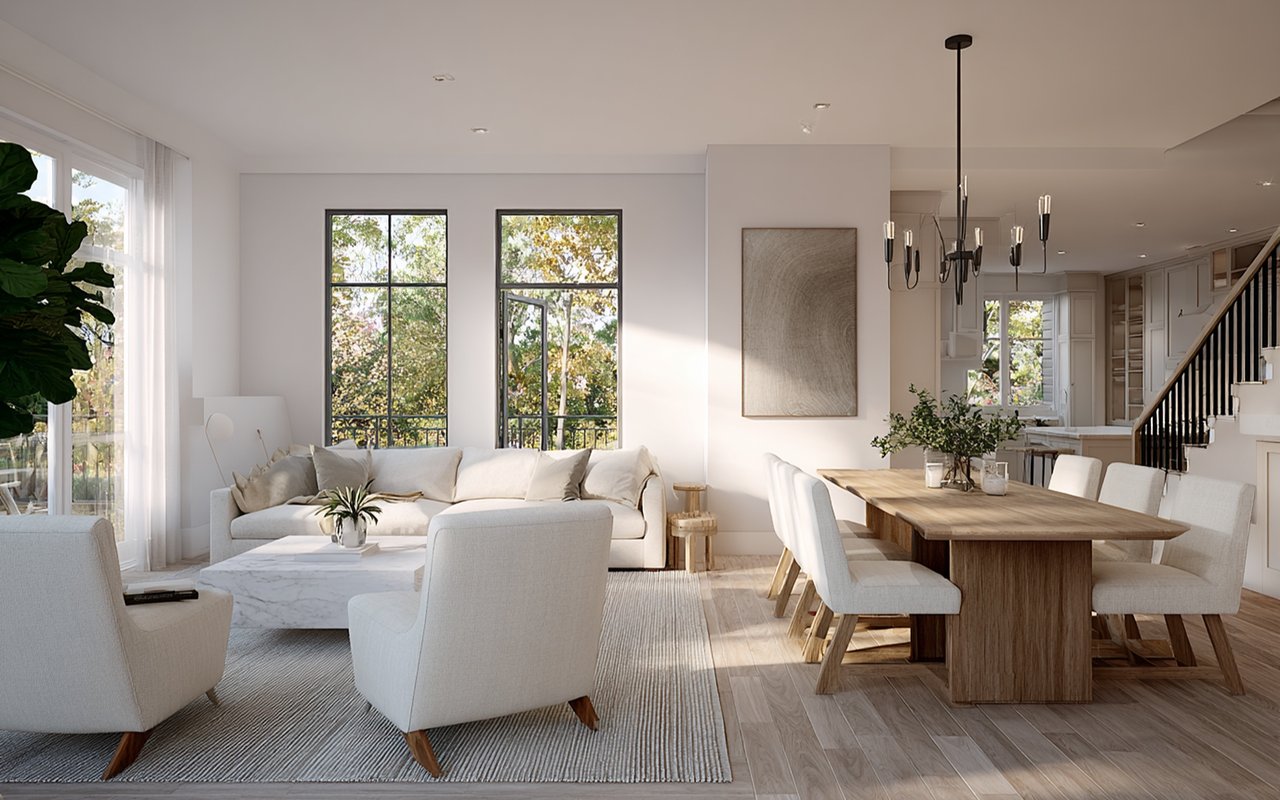
The single most common furniture mistake in Bellevue homes — and everywhere else — is getting the scale wrong. A sofa that is too large for a living room makes the whole space feel cramped, even in a home with generous square footage. A dining table that is too small for a room floats awkwardly in the center and makes the space feel unfinished. Before buying a single piece, measure the room and map it out.
The general rule for rugs is that the front legs of every major seating piece should sit on it — a rug that only fits under the coffee table is almost always too small. For sofas, leave at least 18 inches between the front edge and the coffee table for comfortable movement. For dining tables, allow a minimum of 36 inches between the edge of the table and the wall so chairs can be pulled out fully. These numbers sound simple but they prevent the most expensive and most common furniture errors buyers make when furnishing a new home.
Scale Rules to Follow Before You Buy
-
Measure every room and sketch a rough floor plan before shopping — do this before you fall in love with anything in a showroom
-
Allow at least 36 inches of clearance around a dining table for comfortable chair movement
-
Choose a rug large enough that the front legs of all major seating pieces rest on it
-
Leave 18 inches between a sofa and coffee table — enough to move past without contorting
-
In bedrooms, the bed should not dominate the room — leave enough space on both sides for nightstands and comfortable movement
Match Furniture to Your Home's Architecture
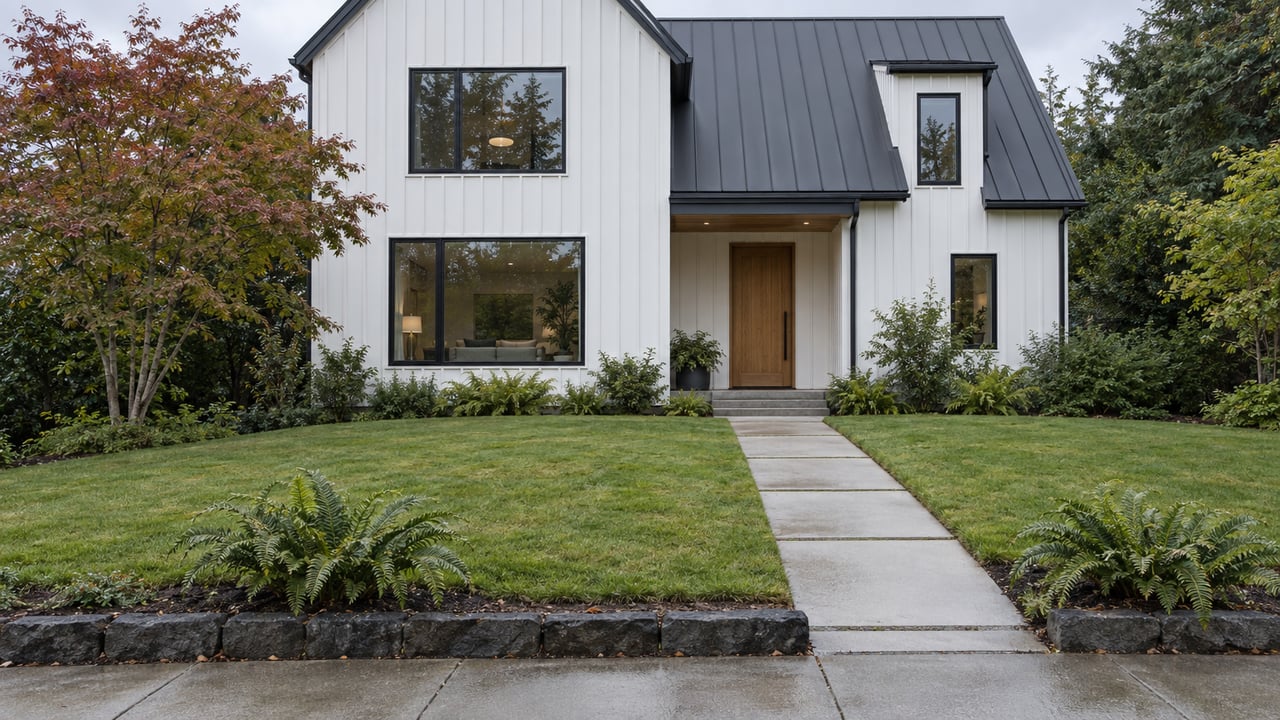
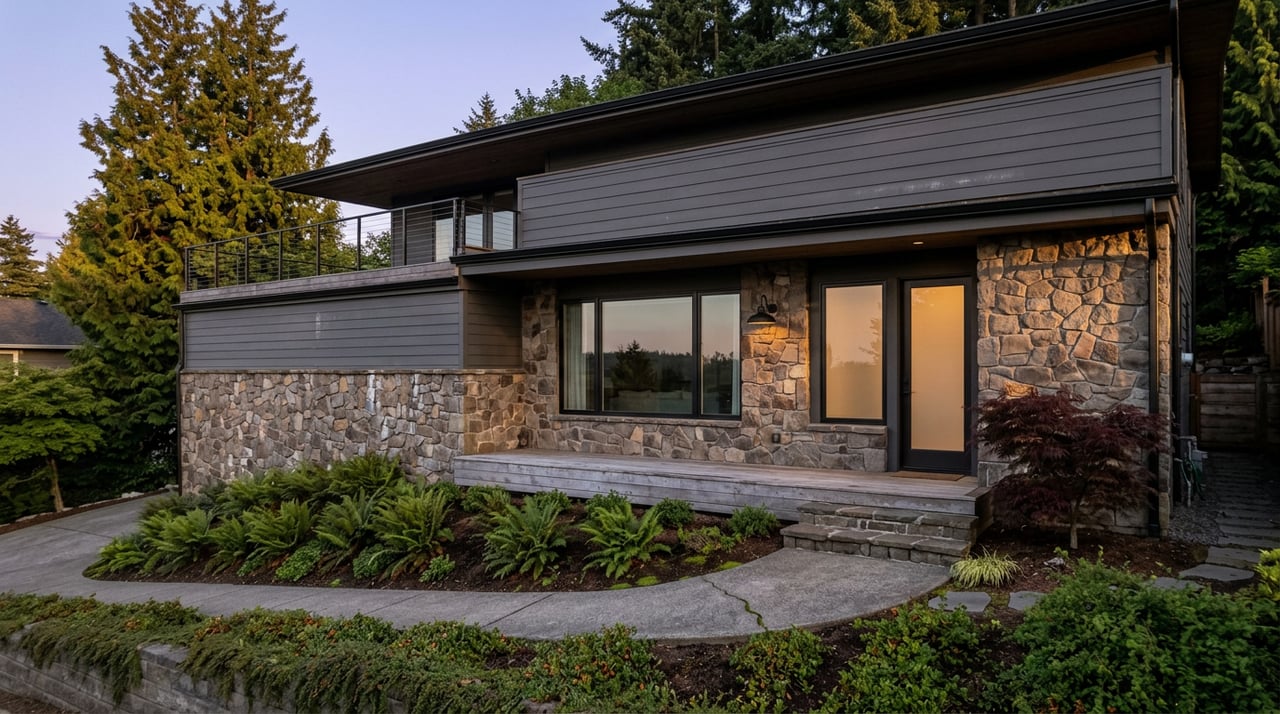
Bellevue's architectural variety is one of its most appealing qualities, and it creates a real opportunity to choose furniture that genuinely belongs in a space rather than furniture that just fills it. Mid-century modern homes in Eastside communities like Bellevue and Mercer Island respond well to clean lines, tapered legs, and warm walnut or teak tones — the language of furniture that defined that architectural era. Newer contemporary builds in West Bellevue and downtown tend to suit more architectural pieces with strong silhouettes, mixed materials, and a quieter color palette.
The Pacific Northwest aesthetic more broadly favors natural materials — locally sourced hardwoods like maple, walnut, and cedar, woven textiles, and live-edge elements that bring the outdoors in. This does not mean every room needs to look like a cabin. It means that organic textures and warm wood tones tend to look at home here in a way that high-gloss lacquer finishes or overly industrial pieces often do not. Layering natural materials across different pieces — a walnut dining table with linen upholstered chairs, for instance — creates the kind of depth that makes a room feel considered rather than assembled.
Furniture Styles That Suit Common Bellevue Home Types
-
Mid-century modern homes — tapered legs, walnut or teak wood tones, low profiles, clean geometric upholstery
-
Craftsman-style homes — Arts and Crafts-influenced pieces, warm oak or cherry, substantial weight, leather or woven natural fiber upholstery
-
Contemporary new construction — architectural silhouettes, mixed metal and wood, neutral upholstery, modular pieces that flex with open floor plans
-
Waterfront and view properties — lighter palette, natural linen and cotton, pieces that do not compete with the view from every seat in the room
Build Around a Few Quality Anchor Pieces
One of the most reliable approaches to furnishing a Bellevue home well is to invest in two or three anchor pieces — the sofa, the dining table, the primary bed frame — and keep everything else more restrained. These are the pieces that define the room's character and that you will live with for a long time. Buying well here and more modestly elsewhere almost always produces better results than spreading a budget evenly across everything.
Showrooms in Bellevue like Seldens, Greenbaum Home Furnishings, and Urban Interiors offer a range of quality options at different price points, and all offer design consultations that can help you apply these principles to your specific space. For buyers who have recently purchased a home and are starting from scratch, a single consultation with a designer before making any major purchases is one of the most cost-effective investments available. It prevents the expensive mistakes that come from buying pieces individually without a plan.
Tips for Buying Anchor Pieces Well
-
Sit in sofas and chairs in person — comfort is not something that translates well from a product photo
-
Buy the dining table first, then choose chairs — it is easier to find chairs that work around a table than the reverse
-
Choose a bed frame with a headboard that reaches at least two-thirds up the wall — low frames in tall-ceilinged Bellevue bedrooms tend to disappear
-
Invest in solid wood construction for pieces you intend to keep — particleboard furniture does not hold up to the Pacific Northwest's moisture and temperature variation
FAQs
How do I know if furniture will fit in my Bellevue home before buying it?
Measure the room carefully and use painter's tape on the floor to mark the footprint of each piece before you buy. Most people skip this step and regret it. Many Bellevue showrooms will hold pieces for a short time if you need to confirm measurements, and some offer return policies that make testing a piece in the actual space possible.
Should I furnish a home to sell it or for how I want to live in it?
Both, and the goals are more compatible than most people expect. Furniture that is correctly scaled, neutrally toned, and made from quality materials serves daily life well and photographs well for a future listing. The pieces that tend to hurt resale — oversized sectionals that dominate a room, very bold accent colors, or trendy pieces that date quickly — are also the ones that make daily living feel more limiting over time.
Are there furniture stores in Bellevue worth visiting in person?
Several. Seldens on 116th Avenue SE has a strong Pacific Northwest-oriented selection and offers complimentary design consultations. Greenbaum Home Furnishings on 118th Avenue SE is a well-regarded locally owned option with a range of quality pieces. Urban Interiors carries modern luxury furniture with a showroom in the Bellevue Design District. For buyers who want a broader range, the Bellevue Design District on 116th Avenue NE puts multiple showrooms within walking distance of each other.
Contact Tom Covello Today
A home that is furnished well is a home that feels complete — and that feeling matters whether you are moving in for the long term or thinking ahead to when you might sell. If you are buying in Bellevue and want guidance on what to look for in a property, or if you are preparing to list and want to know what buyers in this market respond to, reach out to me,
Tom Covello, and let's talk through what makes sense for your situation.