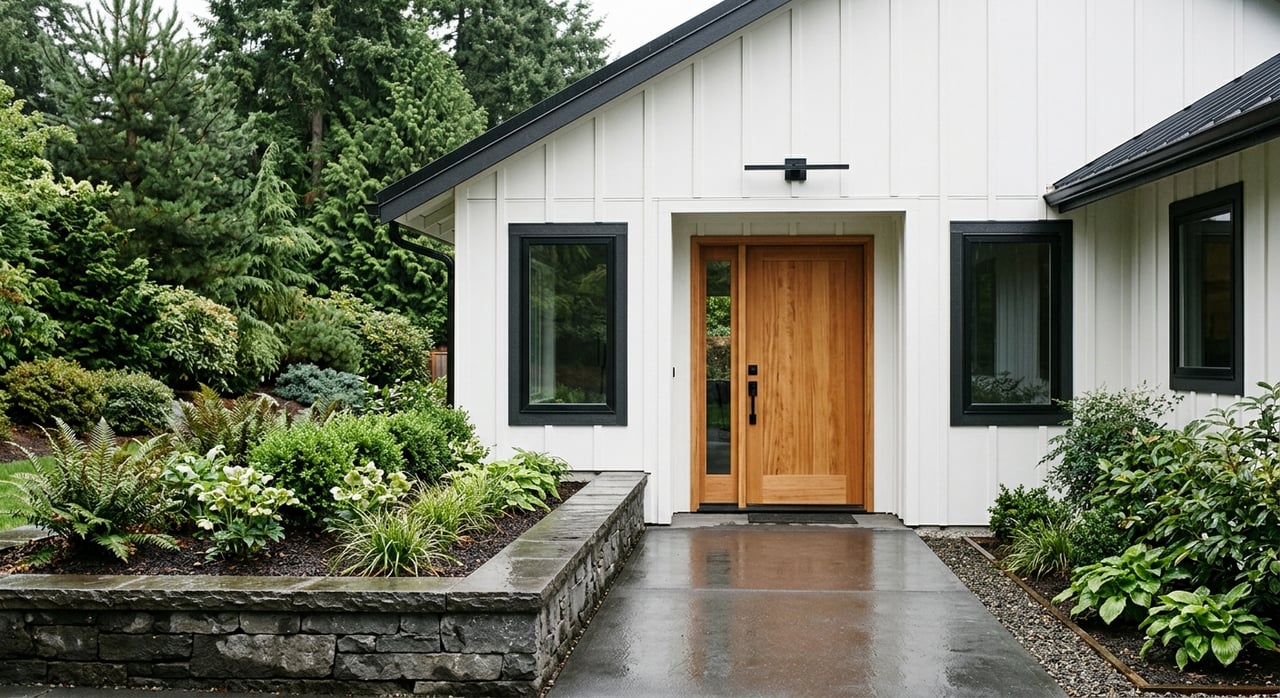
Sammamish vs Redmond vs Issaquah: Which City Fits?
June 4, 2026
June 4, 2026
If you are trying to choose between Sammamish, Redmond, and Issaquah, you are not alone. These three Eastside cities are close to each other, but they offer very different day-to-day experiences depending on how you want to live, commute, and spend your free time. The good news is that once you understand how each city is built and what it prioritizes, the choice gets much clearer. Let’s dive in.
At a high level, these cities sit on a clear spectrum. Based on each city’s current land use, housing, and transportation plans, Sammamish is the most detached-home and car-oriented, Redmond is the most mixed-use and transit-oriented, and Issaquah lands in the middle with established town centers and a strong trail-focused identity.
That matters because your lifestyle fit often comes down to more than square footage or price point. You may want easier transit access, a stronger town-center feel, or faster access to trails and open space. When you compare the cities through that lens, the tradeoffs become easier to see.
Sammamish is the most car-dependent of the three. The city notes that it has no freeway running through it, and many drivers rely on a small number of key arterial roads, especially 228th Avenue NE/SE and Sahalee Way NE, to connect toward Issaquah, I-90, Redmond, and SR 202.
The city also points to local transportation challenges such as a relatively unconnected street system, limited transit service, and topography that can make walking and biking harder in some areas. Current transit options include Metro Route 269, Sound Transit Route 554, and Metro Flex, but overall the commute pattern remains heavily auto-based. Sammamish reports that 60% of commuters drive alone, while 24.6% work from home.
Redmond offers the strongest transit picture of the three. The city now has 2 Line light rail service at Downtown Redmond Station and Marymoor Village Station, and Marymoor Village also includes 1,403 parking spaces for a more park-and-ride-friendly option.
Redmond is actively organizing growth around light rail and a multimodal transportation system. In March 2026, the city launched RedLink, a free on-demand shuttle connecting parts of Downtown Redmond, Education Hill, and Southeast Redmond to light rail. If you want more transit flexibility today and potential long-term upside around station areas, Redmond stands out.
Issaquah offers a strong middle ground. The city has two major transit hubs, Issaquah Transit Center and Issaquah Highlands Park & Ride, with routes connecting to downtown Seattle, downtown Bellevue, First Hill, the University District, Northgate, Overlake, and Sammamish.
The city says express buses can reach downtown Bellevue in about 20 minutes and downtown Seattle in about 30 minutes. Issaquah also benefits from access to I-90, I-405, and State Routes 900 and 18, and the city reports an average commute to work of 27 minutes for residents. For many buyers, that combination of road access and transit options feels balanced.
Sammamish still feels the most predominantly single-family. The city describes itself as a high-end, predominantly single-family community, although current planning allows for attached homes, ADUs, and some middle-housing types in certain areas.
The biggest shift from that pattern is around Sammamish Town Center. Mixed-use projects there include apartments, townhomes, commercial space, live-work units, and neighborhood-scale retail. Still, if you picture quieter residential areas and a stronger detached-home character, Sammamish is the clearest fit.
Redmond has the widest housing mix and the strongest urban form. Its residential zones can allow detached homes, duplexes, triplexes, fourplexes, fiveplexes, sixplexes, townhouses, stacked flats, courtyard apartments, and cottage housing.
Downtown Redmond is planned for low- and mid-rise residential, office, and mixed-use buildings. The city also ties housing growth to transit and nearby services, which supports a more walkable, mixed-use pattern near the core and station areas. If you want the broadest range of housing choices, Redmond offers the most variety.
Issaquah has evolved into a city with a more varied housing stock. The city notes that it has moved beyond a predominantly single-family bedroom-community model, and Central Issaquah includes condo buildings, older homes, townhomes, and duplexes.
Issaquah Highlands is one of the clearest examples of planned community design in the area, with more than 4,000 homes along with a community center, hospital, retail, parks, trails, and transit options. Issaquah also allows a broader range of middle-housing types under current regulations. For buyers who want variety without giving up a defined neighborhood structure, Issaquah has a lot to offer.
Sammamish has a lake-and-forest recreation identity. The city highlights spaces such as Pine Lake Park, Big Rock Park North, Big Rock Park Central, and Sammamish Commons, and it notes that its park system includes lakes, beaches, and forested areas.
Sammamish Commons is especially important because it blends recreation with civic amenities. It includes park space, City Hall, the library, a skate park, spray park, and community garden. If your ideal setting feels residential, green, and tied to lake access, Sammamish is very appealing.
Redmond offers a broad and highly developed park system. The city reports 47 parks across 1,351 acres and 59 miles of public trails, which gives it the strongest simple park-and-trail numbers among the three cities.
Its outdoor options are varied. You have waterfront access at Idylwood Beach Park, civic gathering space at Downtown Park, trail connections through the Redmond Central Connector, and additional open space at places like Farrel-McWhirter Park. Redmond works well if you want both urban convenience and a strong public park network.
Issaquah is the most trail-centric choice. The city says it has more than 200 miles of trails, over a dozen trailheads, and about 1,300 acres of open space, which is a major reason it identifies itself as “Trailhead City.”
In Issaquah, the trail system is not just a weekend bonus. It is a defining part of how the city presents daily life, mobility, and outdoor access. If immediate proximity to trails and open space is high on your list, Issaquah deserves serious attention.
Sammamish amenities are more concentrated than dispersed. Much of the city’s civic and commercial activity centers around Sammamish Commons and Sammamish Town Center rather than multiple larger downtown districts.
The Village at Sammamish Town Center includes grocery, restaurants, retail, office and medical space, and residential apartments. Sammamish Commons adds public services and recreation in one area. That setup can feel efficient and convenient, but it is less urban and less spread out than what you will find in Redmond.
Redmond has the most urban and event-oriented amenity base. Downtown Redmond is one of the city’s regional growth centers and includes shopping, dining, services, events, employment, mixed-use residences, hotels, and parks.
Redmond Town Center adds another major destination with shops, restaurants, movie theaters, live performances, and special events. Combined with Downtown Park, light rail, and RedLink connections, Redmond offers the strongest “stay local and still have plenty to do” experience.
Issaquah spreads its amenities across several distinct nodes. Olde Town offers a small-scale business district with daily services and a historic downtown feel, while Central Issaquah functions as the city’s economic hub with goods and services nearby.
Issaquah Highlands adds another layer with retail, transit, parks, trails, a community center, and a hospital. The result is a city that feels more layered than centralized. If you like the idea of several recognizable centers rather than one primary downtown, Issaquah may feel more natural to you.
There is no single winner between Sammamish, Redmond, and Issaquah. The right choice depends on whether you value detached-home living, transit access, walkability, layered town centers, or direct trail access most.
If you are narrowing down neighborhoods, comparing commute patterns, or deciding which city best fits your next move, working with someone who knows the Eastside block by block can save you time and help you buy or sell with more confidence. For tailored guidance on Sammamish, Redmond, and Issaquah real estate, connect with Tom R. Covello.
Stay up to date on the latest trends in real estate.

And How Your Goals and Local Demand Shape the Decision.

From Handmade Pasta to Sushi With Skyline Views.
Here’s Where Your Renovation Dollars Work Best.
When It All Comes Together During Your Home Search.
To raise the standard by providing my clients with honest answers, direction and a positive outlook. Through outstanding customer service and professional expertise, I will satisfy and exceed my clients expectations—this is my number one goal!