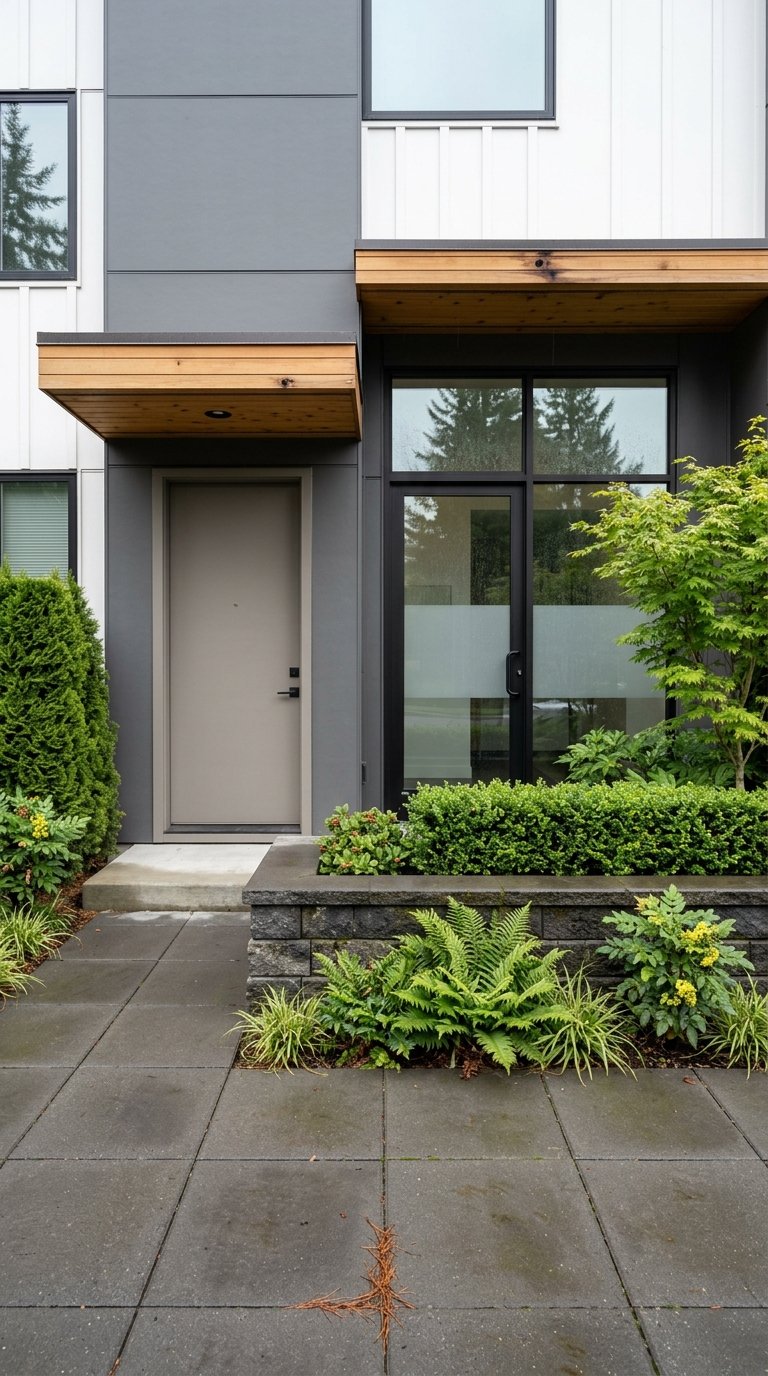
Condo Or Townhome Living In Downtown Kirkland
July 2, 2026
July 2, 2026
If you want to live close to the waterfront, restaurants, shops, and transit, downtown Kirkland gives you a very different housing experience than most Eastside neighborhoods. Here, attached living is not an afterthought. It is part of how the area is designed, and that makes the condo versus townhome decision more important than it may seem at first glance. If you are weighing both options, this guide will help you compare lifestyle, costs, maintenance, and resale factors so you can choose with more confidence. Let’s dive in.
Downtown Kirkland is a mixed-use, pedestrian- and transit-oriented area with higher-density housing near commercial activity. The City identifies historic downtown as a mix of commercial uses and medium- to high-density residential areas. The greater downtown area also includes the Kirkland Transit Center, the Cross Kirkland Corridor, and future bus rapid transit connections.
For you as a buyer, that means condos and townhomes make practical sense here. If your goal is to be near daily conveniences and enjoy a more walkable lifestyle, attached housing can put you closer to the things that make downtown Kirkland appealing.
Marina Park adds to that appeal in a big way. It sits downtown and near restaurants and shops, with a sandy beach, boat launch, public art, a pavilion, concerts, and lake and Seattle views. When buyers picture downtown Kirkland living, this is often the lifestyle they have in mind.
A condo is a single unit within a larger building or community. In most cases, you own the interior of your unit while sharing ownership of common areas and exterior elements with other owners through the association.
A townhome describes more of a physical layout than a single ownership model. In downtown Kirkland, one townhome may function more like a detached-home ownership experience, while another may be legally structured as a condo. That difference can affect maintenance, monthly fees, and financing.
This is one of the biggest points buyers miss. Two homes can look similar from the street, but the legal structure behind them can create very different responsibilities and costs.
For many buyers, condo living offers a simpler lock-and-leave setup. Monthly dues often cover items such as exterior repairs, common-area upkeep, water, sewer, trash, amenities, insurance, and reserves. That can make day-to-day ownership feel more streamlined, especially if you travel often or want fewer exterior responsibilities.
A townhome can feel more house-like. You may get a multi-level layout, a separate entry, and in some cases more physical separation from neighbors. But you should not assume that means more privacy, more control, or lower dues without reviewing the governing documents.
In downtown Kirkland, lifestyle details matter as much as square footage. If you are planning to walk to dinner, spend time by the lake, or use transit regularly, the right attached home can support that routine very well.
It is easy to look at a higher HOA fee and see it as a downside. In reality, a higher monthly fee can sometimes reflect a community that is funding maintenance and future repairs more responsibly.
Washington law requires many common-interest communities to prepare and update reserve studies. These studies are meant to support long-term planning for major repairs and replacements, and budgets must show reserve contributions and whether they align with the reserve study.
That matters because underfunded reserves can create real problems later. Deferred maintenance, special assessments, higher dues, or association borrowing can all follow if the community has not planned ahead.
So when you compare a condo to a townhome, try not to stop at the monthly number alone. Look at what the HOA fee covers, how healthy the reserves are, and whether the community appears to be managing future costs in a transparent way.
With condos, exterior maintenance is often more clearly shared. That can be a major benefit if you want less hands-on responsibility for roofing, siding, landscaping, and shared systems.
With townhomes, the maintenance split can be simpler or more complicated depending on the project type. Some townhouse-style homes behave more like single-family ownership, while others operate much more like condos.
That is why the listing label is not enough. Before you move forward, you want to understand who maintains the roof, exterior walls, decks, shared drive areas, and any structural components.
In many downtown Kirkland purchases, parking is not a minor detail. It can affect your daily convenience, guest access, and future resale appeal.
The City actively manages downtown parking, including a real-time parking availability pilot and a mix of free, paid, and time-limited public parking. That makes private parking arrangements inside a condo or townhome community especially important.
You should ask whether parking stalls are assigned, deeded, leased, or first-come, first-served. Guest parking is just as important. If you entertain often or have more than one vehicle, this part of the review deserves extra attention.
Condo resale and financing are often tied closely to the health of the association and the condition of the building. Association decisions, financial stability, reserve funding, structural issues, lawsuits, and required inspections can all affect value and financing options.
That does not mean condos are a poor choice. It means the homework matters. A well-managed association with sound finances can support long-term value far better than a community that has deferred important decisions.
Townhomes can be more straightforward in some cases, especially when they are structured in a way that resembles single-family ownership more closely. But again, that depends on the project type, not just the architecture.
If resale is top of mind, think beyond the floor plan. In downtown Kirkland, many future buyers will care about the same things you do now: walkability, parking, maintenance responsibility, HOA health, and financing eligibility.
Current citywide listing data from late June 2026 shows a median listing price of about $518,000 for Kirkland condos and about $1.17 million for Kirkland townhouses. That is citywide data, not downtown-only data, but it suggests a sizable gap between the two categories.
For you, that gap may reflect more than location. Size, parking, layout, privacy, and legal structure may all be part of the price difference. In other words, comparing condos and townhomes in downtown Kirkland is not just about budget. It is also about what kind of ownership experience you want.
A condo may be the better fit if you want:
A townhome may be the better fit if you want:
These are useful starting points, not hard rules. In downtown Kirkland, the community documents often tell the real story.
Whether you are considering a condo or a townhome, these questions can help you make a stronger decision:
These answers can shape your ownership costs and your flexibility later. They can also help you avoid surprises after closing.
In downtown Kirkland, attached living is a natural match for the neighborhood. The area is built around walkability, amenities, waterfront access, and stronger transit connections, so condos and townhomes both make sense for many buyers.
The key is not to rely on the product label alone. What matters most is the full picture: how you want to live, how much maintenance you want to own, how parking works, how healthy the HOA is, and how the property may perform when it is time to sell.
If you want help comparing downtown Kirkland condos and townhomes, or you want a second set of eyes on HOA documents, pricing, and resale factors, connect with Tom R. Covello. You will get experienced Eastside guidance tailored to your goals.
Stay up to date on the latest trends in real estate.


And How Your Goals and Local Demand Shape the Decision.

From Handmade Pasta to Sushi With Skyline Views.
Here’s Where Your Renovation Dollars Work Best.

When It All Comes Together During Your Home Search.
To raise the standard by providing my clients with honest answers, direction and a positive outlook. Through outstanding customer service and professional expertise, I will satisfy and exceed my clients expectations—this is my number one goal!