By Tom Covello
We see full sun less than half the year here, which means most of the time your paint is being judged under soft, gray, north-facing light. That's why a color that looks warm in the store can go flat and cold once it's on a Bellevue wall in November. Color psychology is really the study of how a room makes you feel, and once you account for our particular light, you can make even a sunless space feel like somewhere you want to spend a rainy Saturday.
Key Takeaways
- Our gray, overcast light should drive color choices more than any showroom or trend.
- North-facing rooms need warmth, while bright south and west rooms can carry deeper tones.
- Match the color to the room's job, especially the home office, which many Eastside buyers need.
- Restrained, nature-inspired palettes hold their value with relocating buyers.
Start With the Light You Actually Have
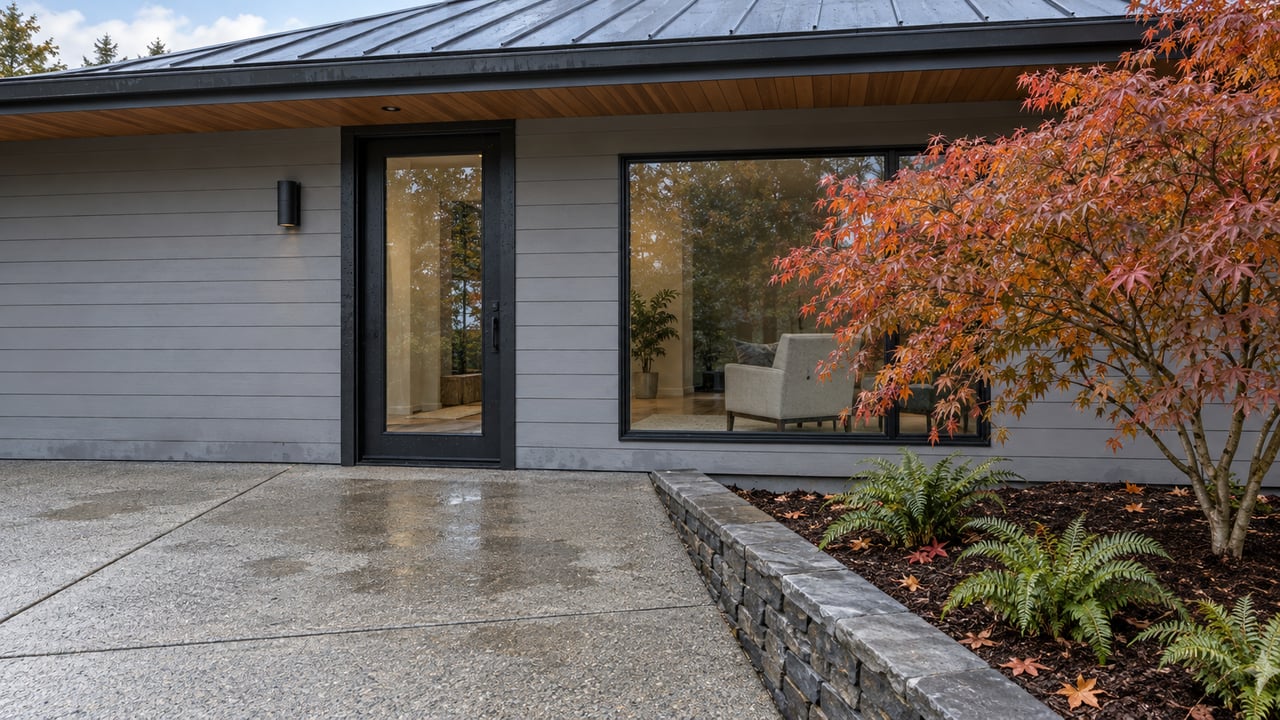
Before you commit to a color, watch how light moves through the room across a day. North-facing spaces, common in plenty of Eastside homes, get cool light that turns grays and blues chilly. The big windows in newer Bellevue construction can flood a west room with warm evening light that handles richer shades easily. Because we live under cloud cover so much of the year, I tell clients to test colors in their own home, never in a store.
Reading your home's light before you pick a color
- Warm up north-facing rooms with soft, creamy neutrals instead of cool grays that read blue.
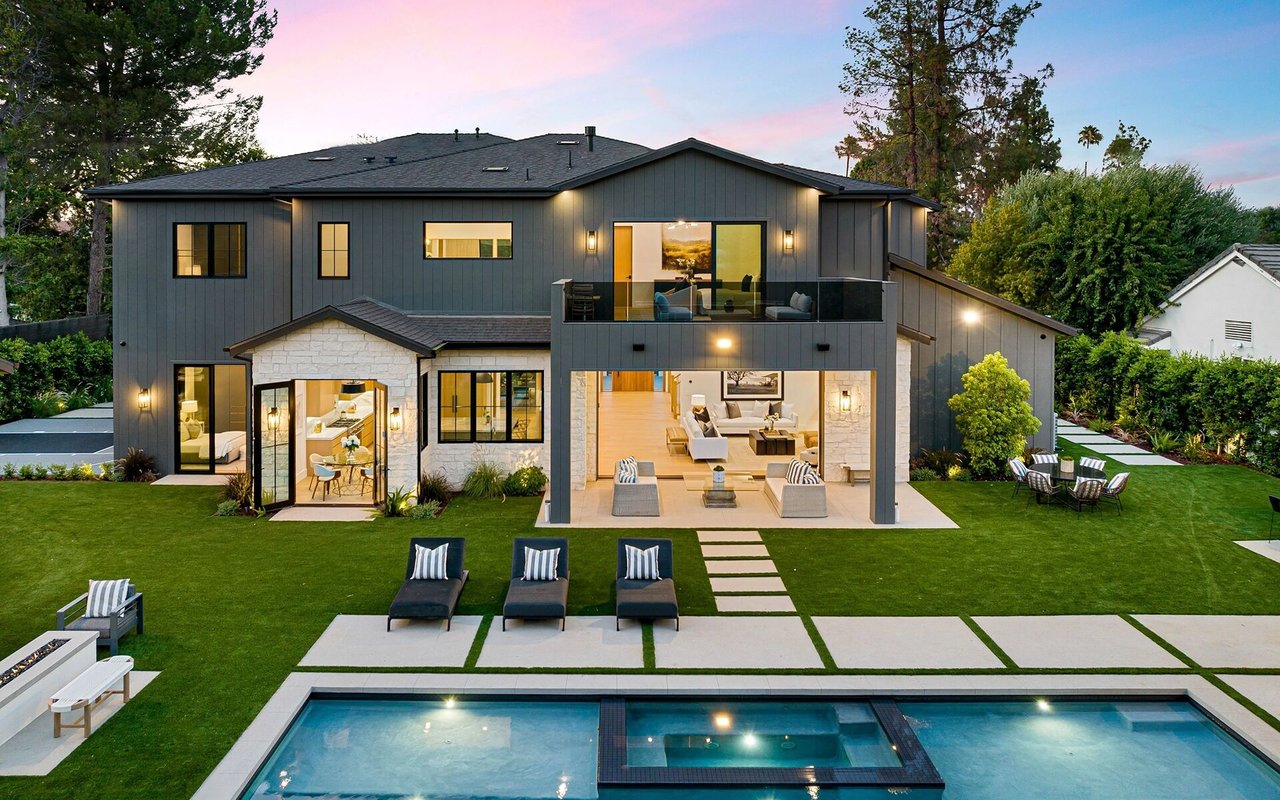
- Let bright south and west rooms carry deeper greens, clays, or charcoals that the light supports.
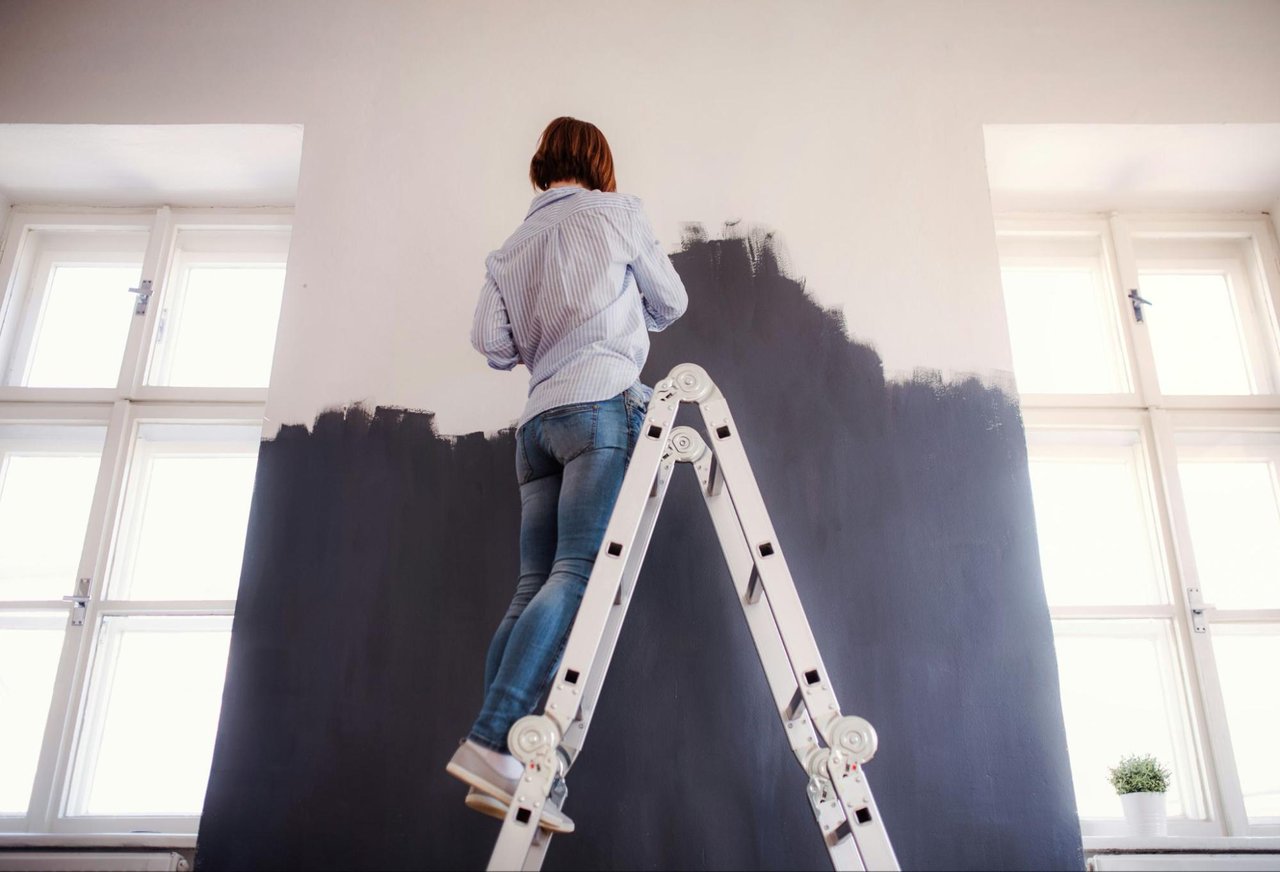
- Paint poster-sized swatches and live with them for several days, in both daylight and lamplight.
- Plan for the overcast majority of the year, not just the handful of bright summer weeks.
Match the Color to the Room's Job
Color does quiet work on your mood, so the right shade depends on how you use the space. A primary suite should help you decompress, while a kitchen should feel social and alive. With Amazon, Meta, and Microsoft running hybrid schedules, nearly every Eastside buyer now needs a home office that supports focus, so that room deserves real thought.
Colors that fit how you use each room
- Use soft greens, muted blues, and warm grays in bedrooms and baths to support rest.
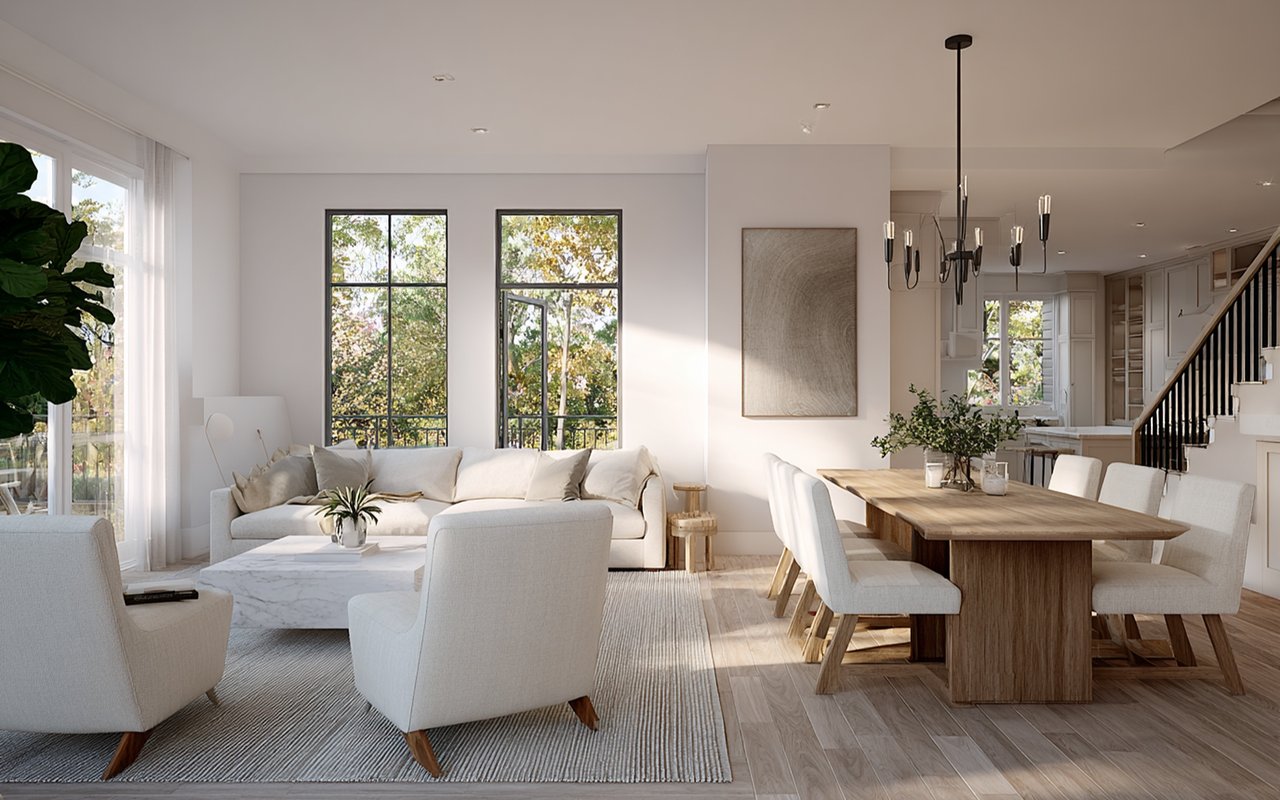
- Choose warm neutrals and earthy tones in living and dining rooms where people gather.
- Pick a calm, low-glare color for the home office, since it's where the workday actually happens.
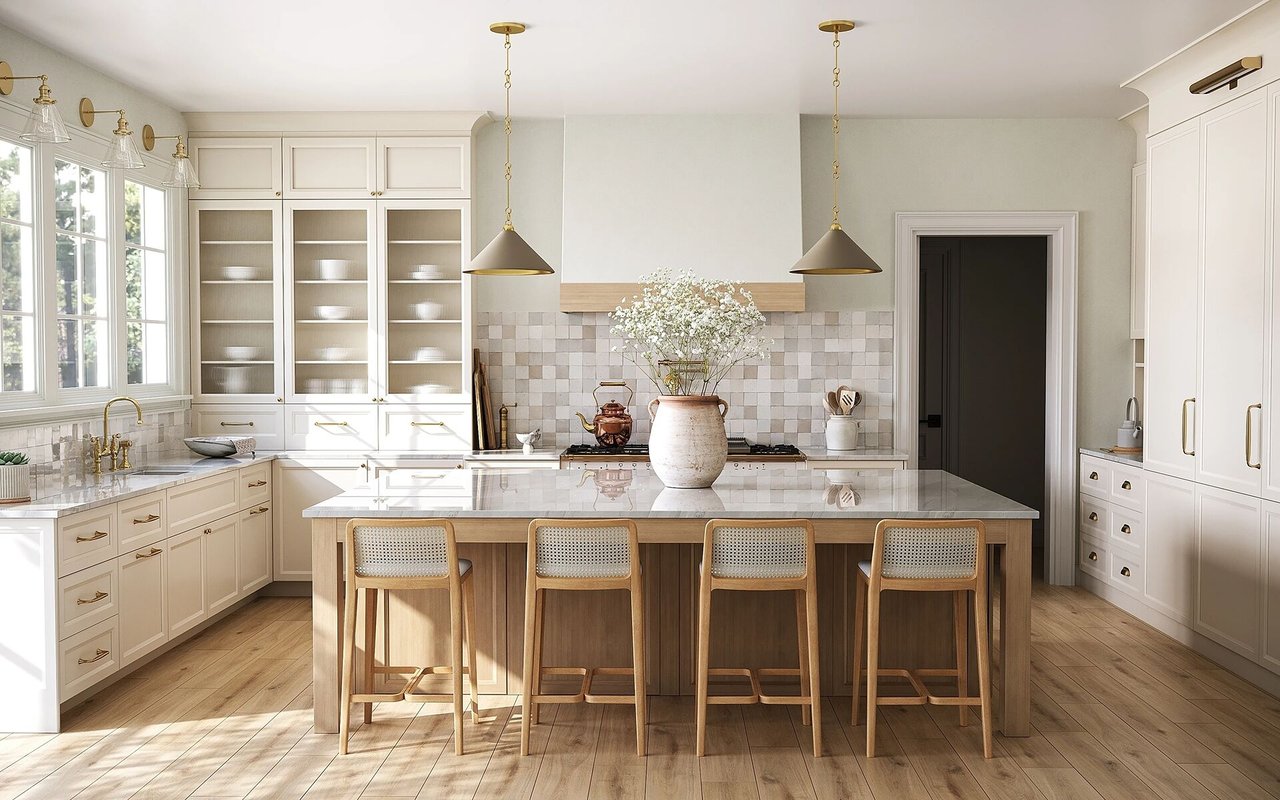
- Lean on warm whites and gentle sage in kitchens, which feel clean without going sterile.
Carry Color Through the Whole Home
Much of what I sell on the Eastside is open-concept, where the kitchen, dining, and living areas all read at once. In those homes, color can't be decided room by room in isolation, because you see three spaces from one spot. A palette that flows makes a home feel larger and more considered, while a patchwork of unrelated colors makes even a big house feel choppy.
Keeping color cohesive across open spaces
- Anchor the home with one main neutral that runs through the connected living areas.
- Shift the mood by changing tone rather than jumping to an unrelated color.
- Carry your trim and ceiling color consistently so the eye moves smoothly between rooms.
- Stand in each doorway and check the sightlines before you commit, not after the paint's up.
Choose Colors That Hold Their Value
When you sell, color is one of the first things a buyer reacts to, often before they say a word. Many Eastside buyers are relocating from out of state and want a calm, move-in-ready home, not a bold palette they'll feel pressure to repaint. The shades that age best here borrow from what's outside the window: greens, warm neutrals, and natural tones.
Palettes that appeal to Eastside buyers
- Build on a backbone of warm, soft neutrals that flow from room to room.
- Borrow forest and sage greens that echo the Pacific Northwest landscape outside.
- Use a single restrained accent wall rather than saturating an entire room.
- Favor timeless choices over trend colors that can feel dated within a couple of years.
FAQs
What paint colors work best in the Pacific Northwest's gray light?
Warm neutrals and soft, nature-inspired tones do best because they counter the coolness of our overcast light. Test large swatches in your actual rooms before committing, since our light changes the result more than people expect.
Can color choices really affect my home's resale value?
They influence how quickly a home sells and how buyers feel walking in. Calm, neutral palettes help relocating buyers picture themselves in the space, which is exactly the reaction you want.
Should I repaint before selling my Bellevue home?
Often, a fresh, neutral coat in the main rooms is one of the highest-impact moves before listing. I'm happy to walk your home and show you where it'll matter most.
Contact Tom Covello Today
Color is one of the simplest ways to change how a home feels, whether you're settling in for the long haul or getting ready to sell. I love helping clients see their space with fresh eyes.
If you're thinking about your next move on the Eastside, reach out to me,
Tom Covello, and let's make a plan.