By Tom Covello
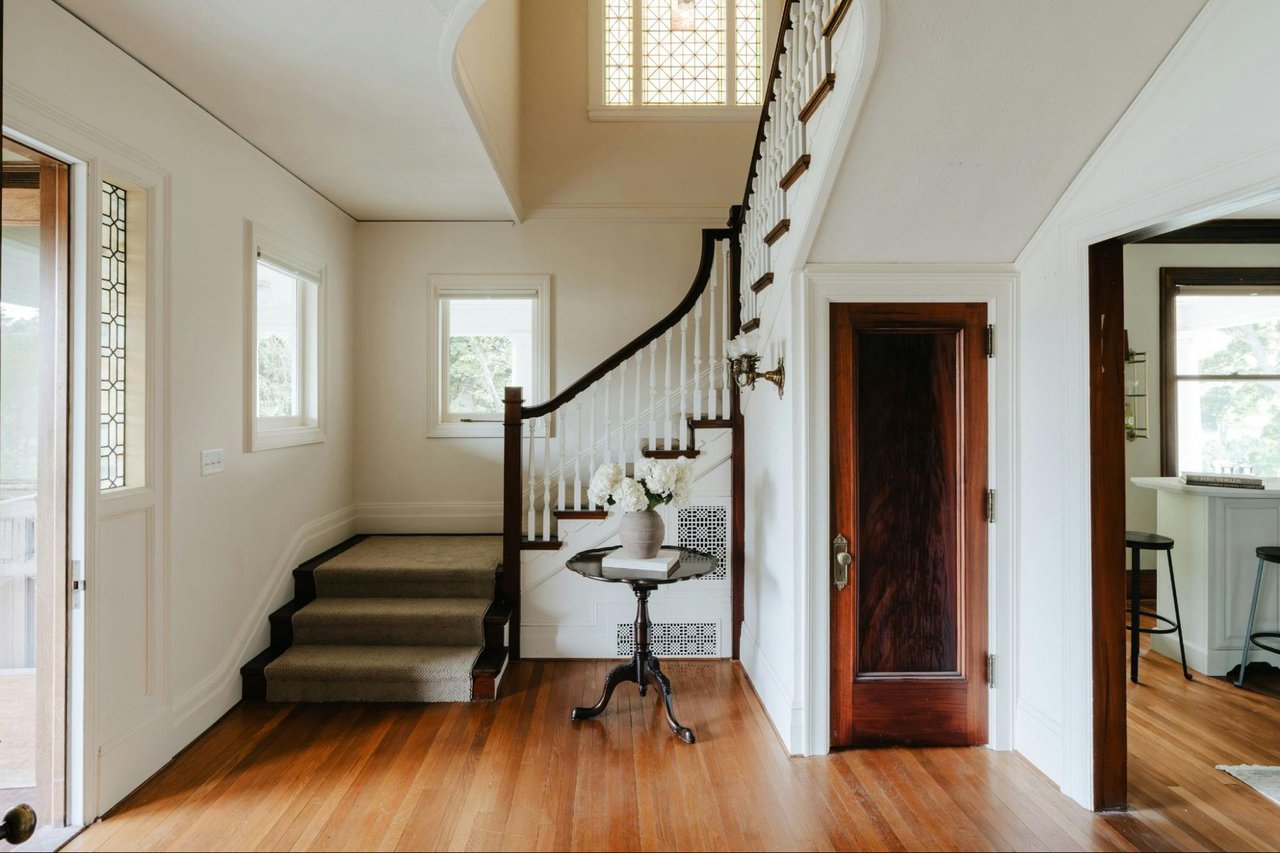
There's a particular kind of home in West Bellevue and Old Bellevue that people fall for fast: original fir floors, craftsman trim, built-ins that were designed for the room rather than dropped into it. Most people who buy them want to honor that character. The ones who pull it off understand that honoring it and decorating around it are two very different things.
Key Takeaways
- Original architectural details in Bellevue's historic homes are selling points; design around them, not over them
- Warm neutral paint palettes let original woodwork carry visual weight without looking dated
- Kitchen and bath updates read best when they reference the home's era without mimicking it exactly
- Lighting choices do more to modernize a historic interior than almost any other single investment
Let the Architecture Tell You What It Wants
The bones of West Bellevue's established homes tend to be Craftsman or mid-century, and each has a clear visual logic. Craftsman homes want natural materials, horizontal lines, and warmth. Mid-century homes want restraint, low profiles, and an easy relationship between inside and outside.
Design Moves That Work With the Architecture
- In Craftsman homes, keep window treatments simple or skip them in rooms with original wood frames; the millwork is the detail, not something to dress around
- For mid-century interiors, low-profile sofas and clean-lined wood furniture in walnut or teak land far better than overstuffed upholstery that fights the ceiling height
- Original built-ins, especially in dining rooms and studies, perform better as display spaces than as storage; books, ceramics, and a few plants rather than bins and boxes
- Exposed rafter tails and wide eave lines on the exterior are best left in their original tones rather than painted out to match siding, which flattens the whole facade
Kitchens and Baths: The Rooms That Require the Most Judgment
These are the spaces where most sellers over-update, and most buyers are most forgiving when the updates are honest. A kitchen in an Old Bellevue Craftsman doesn't need to look like a Lincoln Square penthouse; it needs to look like it belongs.
Updates That Respect the Home's Character
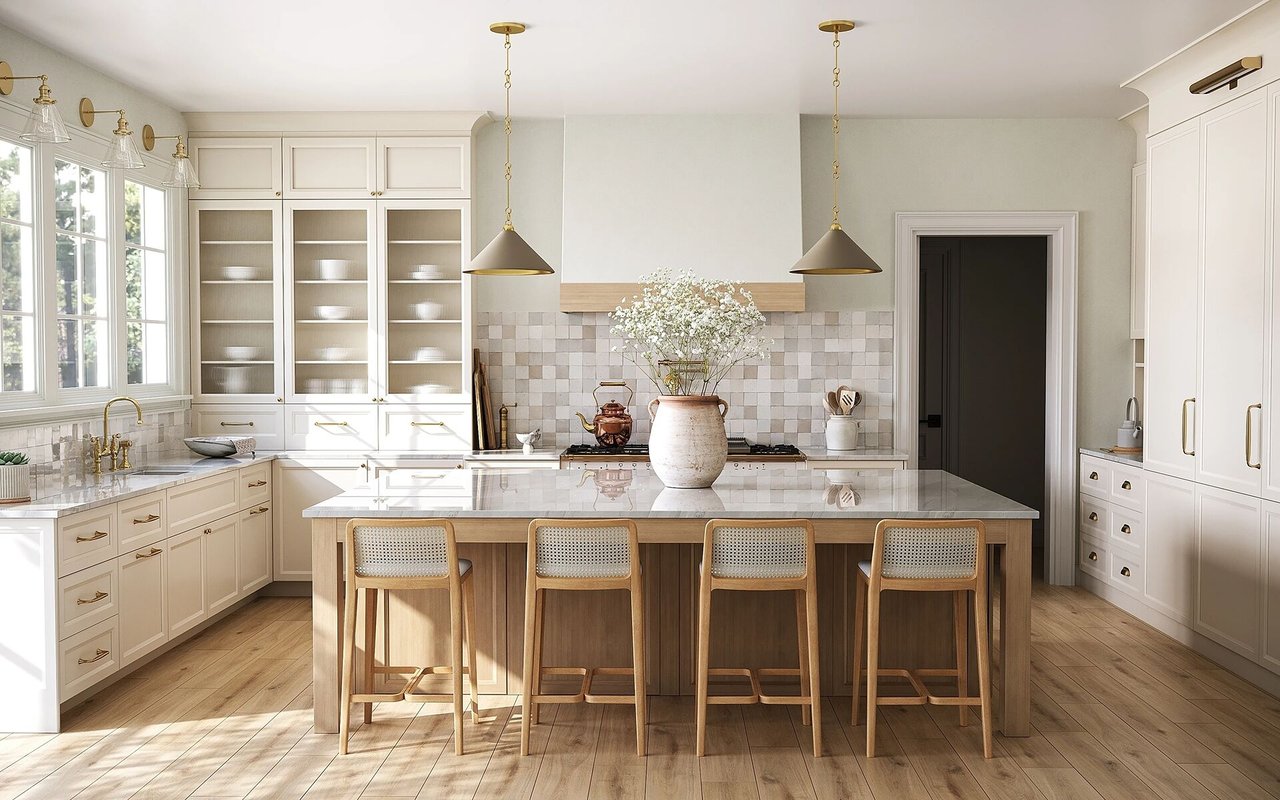
- Shaker cabinetry in a warm white or sage green reads as period-appropriate in both Craftsman and mid-century homes without veering into pastiche
- Unlacquered brass or brushed nickel hardware ages better in historic homes than matte black, which reads as trend-forward in a way that doesn't always settle well
- Open shelving in kitchens works particularly well in homes with original millwork elsewhere; it reinforces the idea that the home has nothing to hide
- In bathrooms, subway tile with a handmade-looking finish brings texture that aligns with the craft sensibility of older Bellevue homes without trying to replicate the original
Lighting Is Where Historic Homes Usually Lose the Plot
The original fixtures in many of these homes are worth keeping, often with new shades or updated bulbs. What sinks historic interiors is the combination of a beautiful original pendant over the dining table and then recessed can lights everywhere else that wash the room out and erase the character the pendant was supposed to carry.
A Better Approach to Lighting Historic Interiors
- Layer table and floor lamps in living spaces rather than relying on overhead fixtures; this is how these homes were designed to be lit
- Keep one statement fixture per room and let it do its job; competing fixtures create visual noise that fights the architecture
- Under-cabinet lighting in kitchens adds modern function without altering the room's character the way surface-mounted strips can
- Dimmer switches on everything, even in rooms you don't think of as "moody," give you the flexibility these spaces were built for
FAQs
How Do I Know Which Original Details Are Worth Restoring Versus Replacing?
A good rule: if it's structural, visible, and made of solid wood, restore it. If it's a surface material that's been patched and repaired to the point of inconsistency, replacement often reads better. I can walk through a home with you and give an honest read on what's an asset and what's a liability.
Does Decorating a Historic Home Make It Harder to Sell?
Not if it's done well. Buyers who seek out Old Bellevue and West Bellevue specifically want homes with character; what puts them off is character that's been half-updated or decorated in a way that clashes with what the home is. Coherence matters more than any particular style.
What Paint Colors Work Best in Craftsman Homes?
Warm whites, soft greiges, and muted sage greens tend to let original woodwork breathe without competing. I'd steer clear of cool grays, which read as contemporary in a way that creates visual tension against warm fir trim.
Contact Tom Covello Today
Bellevue's historic neighborhoods are some of the most sought-after on the Eastside for a reason: the homes there have a presence that doesn't come off a production line. Whether you're decorating a home you just bought or preparing one to sell, the choices you make in how you treat those original details shape both how the home feels and what it's worth.
Reach out to me,
Tom Covello, when you're ready to talk about your home. I'm happy to share what I've seen work in these neighborhoods.